As a well – established supplier of radiator fin forming machines, I’ve encountered numerous inquiries from customers about the machine’s capabilities to produce fins with special coatings. This blog aims to shed light on this crucial topic in-depth. Radiator Fin Forming Machine
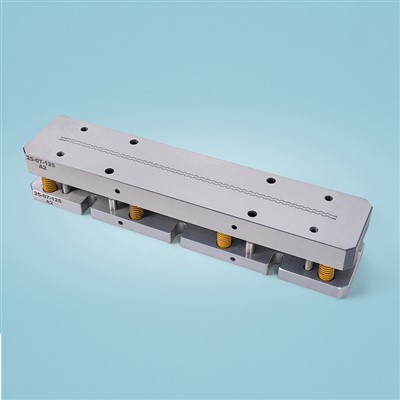
The Basics of Radiator Fin Forming Machines
Before delving into the special coating aspect, it’s essential to understand the core functions of radiator fin forming machines. These machines are engineered to transform thin metal strips, commonly made of aluminum, copper, or brass, into precise and intricate fin shapes. The fin’s design is of utmost importance as it directly impacts the radiator’s heat – dissipation efficiency.
The process typically starts with feeding the metal strip into the machine. Then, through a series of rollers and dies, the strip is gradually shaped into the desired fin profile, such as the wavy, louvered, or serrated patterns. The machine’s precision and speed are key factors in ensuring high – quality fin production, with modern models capable of producing thousands of fins per hour.
The Concept of Special Coatings on Fins
Special coatings on radiator fins serve multiple purposes. Firstly, they can enhance corrosion resistance. In harsh environments where the radiator is exposed to moisture, chemicals, or salt, a protective coating can significantly extend the fin’s lifespan. For example, in marine applications or industrial settings with high humidity, a zinc – based or epoxy coating can act as a barrier against rust and corrosion.
Secondly, special coatings can improve heat transfer efficiency. Some coatings are designed to have high thermal conductivity, which allows for better dissipation of heat from the fin surface to the surrounding air. These coatings can contain materials like graphite or silicon carbide, which have excellent heat – conducting properties.
In addition, special coatings can also provide anti – fouling features. They can prevent the accumulation of dirt, dust, and other contaminants on the fin surface, which in turn helps maintain the radiator’s performance over time. For instance, a hydrophilic coating can make it easier for water and moisture to drain off the fins, reducing the likelihood of dirt sticking.
Can Radiator Fin Forming Machines Produce Fins with Special Coatings?
The short answer is yes, but with certain conditions. There are two main approaches to applying special coatings on fins during or after the forming process.
In – line Coating
Some advanced radiator fin forming machines are equipped with in – line coating systems. These systems can apply a thin layer of coating directly onto the metal strip before it is formed into fins. The advantage of in – line coating is its high efficiency. Since the coating process is integrated into the fin – forming process, it saves time and reduces the need for additional handling.
However, in – line coating also has its limitations. The type of coating that can be applied is somewhat restricted. The coating needs to have good adhesion to the metal strip and should not interfere with the subsequent fin – forming process. For example, the coating should not be too thick or too sticky, as it could cause problems with the rollers and dies in the machine.
Post – forming Coating
Another common method is post – forming coating. After the fins are formed by the radiator fin forming machine, they are sent to a separate coating facility. This method offers more flexibility in terms of the type of coating that can be applied. A wider range of coatings, including those with complex chemical compositions or multi – layer structures, can be used.
For example, in post – forming coating, it’s possible to apply a powder coating, which provides excellent durability and finish. The fins are typically pre – treated to ensure good adhesion, and then they are electrostatically charged before the powder is sprayed onto the surface. After that, the fins are heated to cure the coating.
But post – forming coating also has its drawbacks. It requires additional equipment and processing steps, which can increase the production cost and lead time. Moreover, there is a risk of damaging the fins during the transfer from the forming machine to the coating facility.
Factors Affecting the Coating Process
When it comes to producing fins with special coatings, several factors need to be considered.
Metal Material
The type of metal used for the fins plays a crucial role. Different metals have different surface properties, which affect the adhesion of the coating. For example, aluminum has a natural oxide layer on its surface, which may need to be removed or treated before applying a coating to ensure good adhesion. On the other hand, copper is more reactive and may require a specific coating system to prevent discoloration and corrosion.
Coating Material
The properties of the coating material, such as its viscosity, drying time, and curing temperature, also need to be carefully considered. A coating with a high viscosity may be difficult to apply evenly, especially in in – line coating systems. Similarly, the drying and curing time of the coating can impact the overall production speed.
Machine Compatibility
Whether using an in – line or post – forming coating method, the radiator fin forming machine needs to be compatible with the coating process. For in – line coating, the machine’s design should allow for the seamless integration of the coating system. In post – forming coating, the machine should produce fins with consistent dimensions and shapes to ensure uniform coating application.
Our Solutions as a Supplier
As a radiator fin forming machine supplier, we understand the diverse needs of our customers when it comes to producing fins with special coatings. We offer a range of options to meet these requirements.
For customers who prefer in – line coating, we provide advanced radiator fin forming machines with integrated coating systems. Our engineers work closely with customers to select the most suitable coating materials and optimize the coating parameters to ensure high – quality fin production.
For those who choose post – forming coating, we ensure that our machines produce fins with precise dimensions and smooth surfaces, which are essential for a successful coating process. We also offer technical support and training to help customers set up and operate their coating facilities effectively.
Conclusion
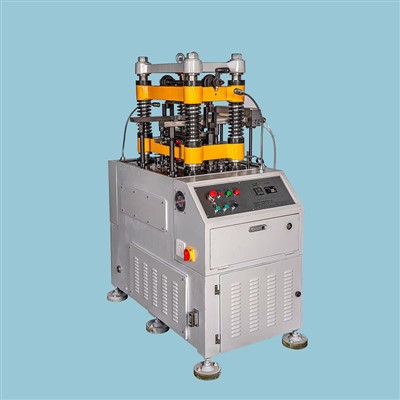
In conclusion, a radiator fin forming machine can indeed produce fins with special coatings, either through in – line or post – forming methods. Each method has its own advantages and limitations, and the choice depends on various factors such as the type of coating, production volume, and cost considerations.
Fin Press Machine As a reliable supplier of radiator fin forming machines, we are committed to providing our customers with the best solutions for producing high – quality fins with special coatings. If you are interested in our products and services and would like to discuss your specific requirements for radiator fin production, we welcome you to reach out to us for a detailed procurement negotiation.
References
- Smith, J. (2018). "Advanced Coatings for Heat Exchanger Fins". Journal of Thermal Engineering.
- Johnson, A. (2019). "The Impact of Metal Surface Properties on Coating Adhesion in Radiator Fin Production". Materials Science Quarterly.
- Brown, C. (2020). "In – line and Post – forming Coating Technologies for Radiator Fins". Manufacturing Technology Review.
Suichang Lvye Machinery Co., Ltd.
We are one of the most professional radiator fin forming machine manufacturers in China, also support customized service with low price. We warmly welcome you to buy discount radiator fin forming machine for sale here from our factory. If you have any enquiry about quotation, please feel free to email us.
Address: No. 402, Mudanting East Road, Miaogao Street, Suichang County, Lishui City, Zhejiang Province
E-mail: L528753@outlook.com
WebSite: https://www.suichanglvye.com/
