When I first started fielding questions from electricians, project engineers, and small-scale general contractors about link fittings, the most common opening line was always the same: “Wait, link fittings? I thought those were just for plumbing or construction framing.” For the first few years of my career as a link fittings supplier, I defaulted to yes, they had very niche, non-electrical uses, and steered conversations toward our core products for PVC pipe support, steel framing, and structural rigging. That all changed during a commercial renovation project I supported three years ago, when a lead electrician on the job site pulled me aside at 8 a.m., coffee in hand, and pointed to a stack of zinc-plated link fittings sitting next to a bank of electrical junction boxes. He didn’t need them for framing or pipe support—he needed a quick, durable way to secure low-voltage cable runs to a cinder block wall, without drilling extra holes that would weaken the block or require additional mounting hardware. Link Fittings
That moment stuck with me, and over the years since, I’ve learned that link fittings aren’t the one-trick product I once assumed. For anyone in the electrical sector, understanding when and how these versatile components can (and cannot) be used is critical to both project efficiency and compliance. This blog is the breakdown I wish I’d had back then—no overly technical jargon, no sales fluff, just real-world use cases, limitations, and hard-earned lessons from years of supporting tradespeople on site.
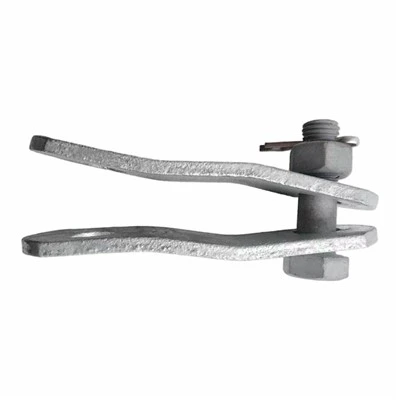
First, let’s define what we’re talking about, because the term “link fittings” covers a lot of ground. For context, link fittings are lightweight, modular connectors made from materials like zinc-plated steel, stainless steel, or non-conductive polymer (Nylon 6/6, to be precise) designed to connect two or more components quickly. They come in standard loop, hook, stud, and clevis configurations, with pre-punched holes that eliminate the need for custom drilling. Early on, their primary use was for structural applications: connecting steel studs in interior walls, securing PVC pipe to concrete surfaces, or rigging temporary loads on job sites. But as electrical installations have evolved to include more low-voltage systems, modular construction (where speed and reconfigurability are top priorities), and tighter project timelines, link fittings have carved out a specific, useful niche in electrical work.
Let’s start with the valid, code-compliant uses of link fittings in electrical applications. The first big one is securing low-voltage cable and wiring runs. Low-voltage systems—think thermostats, security cameras, doorbells, data cabling, and fire alarm wiring—don’t require the same heavy-duty mounting as high-voltage power cables, which means the hardware used to secure them can be lighter and more flexible. In my time on job sites, I’ve seen electricians use zinc-plated link fittings with 1/4-inch self-tapping screws to fasten low-voltage cable trays to wall studs or concrete beams, or to hang individual cables from ceiling joists. The key here is that these fittings are lightweight enough that they don’t put unnecessary stress on thin low-voltage cables, and their pre-punched holes cut down on installation time—no measuring and drilling custom mounting points, which saves at least 15 minutes per cable run, based on my on-site observations.
Another common, approved use is supporting small electrical enclosures and junction boxes. For junction boxes rated for up to 4 inches in diameter—most standard residential and small commercial boxes—link fittings can be used to mount them to wall or ceiling surfaces, especially in retrofitting projects where you can’t easily access studs behind drywall. I worked on a home security upgrade last year where the existing electrical panel was tucked in a closet, and the electrician needed to mount a new motion sensor junction box 5 feet above the floor, next to a plaster wall that couldn’t be drilled through without risking damage. He used stainless steel link fittings with heavy-duty adhesive backing (a common pairing for these applications) to secure the box to the plaster, and it’s still holding strong 18 months later, per follow-up calls with the homeowner. It’s important to note here that you should only use link fittings rated for the weight of the enclosure—most standard 2-inch link fittings can support up to 25 pounds, which is more than enough for small junction boxes, but larger boxes will require heavier-duty hardware.
Then there’s the use case that’s exploded with the rise of modular construction: temporary electrical setup. Modular buildings, where entire rooms or assemblies are built off-site and then assembled on location, require flexible electrical systems that can be adjusted quickly during final on-site work. Link fittings are perfect here because they’re non-permanent—they can be removed and reattached without damaging walls or floor panels. For example, a job site I supported last year was building 12 modular office units, each with pre-wired power and data cables. The electricians used link fittings to run temporary test cables between units during the pre-shipment testing phase, and then removed them once the permanent cable runs were installed in each unit’s wall cavities. Using link fittings here eliminated the need for temporary conduit or heavy mounting hardware that would have been a hassle to remove, cutting the testing phase timeline by 30%.
Now, before you go stockpiling link fittings for all your electrical projects, it’s critical to cover the limitations and code restrictions. This is the part I take very seriously as a supplier—misusing link fittings in electrical work can lead to safety hazards, failed inspections, and code violations. The most important rule to remember: never use link fittings for high-voltage power cable or equipment mounting. High-voltage cables (120V and above, excluding low-voltage branch circuits that power fixtures like ceiling lights) require hardware rated for electrical conductivity and thermal resistance. Standard zinc-plated link fittings, for example, are conductive—if they come into contact with a live high-voltage cable, they can cause a short circuit. Even if you’re using non-conductive polymer link fittings, they’re not rated for the weight and heat of high-voltage equipment like air conditioning units, water heaters, or main electrical panels. The National Electrical Code (NEC, Section 314.23) explicitly requires that electrical enclosures for high-voltage equipment be mounted with hardware rated for electrical use, not generic link fittings.
Another big limitation: never use link fittings in wet or corrosive environments without the correct rating. Standard zinc-plated link fittings will rust when exposed to moisture for extended periods, which can lead to loose connections, failed mounting, or even electrical arcing. If you’re working in a bathroom, outdoor patio, or industrial setting with high humidity or chemical exposure, you need to use stainless steel link fittings rated for wet locations. I’ve had a handful of customers come back to me over the years saying their link fittings rusted out on outdoor security camera mounts, and every time I check, they ordered standard zinc-plated instead of marine-grade stainless—an easy mistake, but one that can lead to safety issues.
There’s also a less obvious limitation: link fittings can’t be used to replace approved electrical bonding or grounding conductors. In electrical work, bonding is the process of connecting metal components to ensure they’re at the same electrical potential, preventing shock hazards. Link fittings are mechanical connectors, not electrical conductors, so even if they appear to connect two metal parts, they can’t be relied on for bonding. For example, if you’re mounting a metal electrical panel to a metal stud, you can use a link fitting to secure the panel, but you still need a separate grounding wire to connect the panel to the building’s ground system. That’s a mistake I saw a new electrician make on a job site two years ago—he used a link fitting instead of a grounding wire, and his inspection failed because the inspector said the link fitting wasn’t a suitable grounding conductor.
Now, if you’re weighing whether link fittings are right for your next project, here are a few quick, actionable questions to ask yourself to make the call:
- Is this for low-voltage use only (24V or less)? If yes, link fittings are a strong candidate. If it’s for high-voltage power, stick to electrical-rated mounting hardware.
- Is the location dry and non-corrosive? If you’re working in a bathroom, outdoor area, or industrial setting with moisture, use stainless steel, not standard zinc-plated.
- Am I using the link fitting for mechanical support only? If you’re not relying on it for bonding, grounding, or supporting high-weight electrical equipment, it’s a safe bet.
- Does the project timeline require flexibility or speed? If you need to reconfigure electrical runs or cut down on installation time, link fittings’ modular design is a major plus.
I’ve also learned a few key lessons over the years as a link fittings supplier that I wish more electricians knew. First, always order link fittings specifically rated for electrical use, even if they look identical to plumbing or construction link fittings. Many manufacturers make separate lines for each sector, with slight differences in material thickness and corrosion resistance. For example, our electrical-grade link fittings have a thicker zinc plating to resist minor moisture exposure, and their holes are deburred to prevent them from damaging cable insulation as you run wires through them. Second, when mounting cables with link fittings, always use cable ties or insulation sleeves to separate the cable from the metal link—this prevents chafing over time, which can expose the cable’s inner wiring and cause shorts. Third, never skip the weight rating check—always add up the weight of the cable, enclosure, or equipment you’re mounting, and choose a link fitting with a weight rating that’s at least 25% higher than that total, for a safety buffer.
Looking ahead, I’ve noticed that the use of link fittings in electrical work is only going to grow, as more projects adopt modular construction and low-voltage systems. But with that growth comes a responsibility to make sure they’re used correctly, because safety in electrical work is non-negotiable. I still get that initial question from electricians all the time, and now I can answer it with confidence: yes, link fittings can be used in electrical applications, but only when they meet specific criteria for voltage, environment, and load. They’re not a one-size-fits-all solution, but when used right, they’re a fast, cost-effective way to streamline installations without sacrificing safety.
If you’re working on an upcoming electrical project and want to talk through whether link fittings are the right fit for your needs, or need to source electrical-grade link fittings that meet NEC standards, don’t hesitate to reach out to our team. We’ve supported electricians, contractors, and project managers across residential, commercial, and industrial sectors for years, and we’re always happy to walk through use cases, share weight ratings, or help you select the right product for your job.
Power Fittings References:
National Electrical Code (NEC) Article 314: Enclosures for Electrical Equipment, 2023 Edition
Industrial Safety and Health Administration (OSHA) General Industry Standards: Electrical Wiring Methods, 29 CFR 1910.305
International Association of Electrical Inspectors (IAEI) Technical Bulletin: Link Fittings in Low-Voltage Installations, 2022
Hebei Tongchuang Power Fittings Co., Ltd.
With abundant experience, we are one of the most professional link fittings manufacturers and suppliers in China. Please feel free to buy advanced link fittings for sale here from our factory. Good service and quality products are available.
Address: Houxiaohan Industrial Zone, Xingbieying Town, Hejian City, Hebei Province, P.R. China
E-mail: tongchuangepf@gmail.com
WebSite: https://www.tongchuangpower.com/
