If you’ve ever stood in the pet aisle staring at rows of chew toys and wondered why some look like hardened rubber and others like dried out leather, you’re not alone. As a pet chew toy supplier, I get that question all the time—especially from pet parents who want to pick something safe, durable, and right for their dog. I’ve spent years testing materials, talking to veterinarians, and even watching how different dogs destroy toys to figure out what works (and what doesn’t). Today, I’m breaking down the most common materials we use for chew toys, why they matter, and what to consider before you buy. Pet Chew Toys
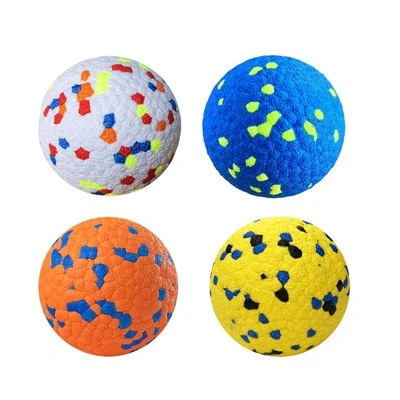
Let’s start with rubber, because it’s probably the most versatile and widely used material in the whole category. Not all rubber is the same, though—something I learned early on in my business when we tried a budget line that fell apart after a week of a dog’s chewing. The best rubber chew toys are made from natural rubber, usually sourced from rubber tree sap. It’s flexible enough to be gentle on teeth and gums, but tough enough to stand up to serious chewers (think German Shepherds or Rottweilers that can tear through a tennis ball in minutes). Natural rubber is also non-toxic, BPA-free, and phthalate-free, which is huge because dogs lick their toys constantly. One thing I always tell customers: if you’re buying rubber toys, check the texture. Look for a slightly matte finish—shiny rubber might be coated in synthetic chemicals that can be harmful if ingested. Some brands (ours included) also make rubber toys with added texture, like ridges or bumps, to help clean teeth as dogs chew, which is a bonus for dental health. The downside? Rubber can get smelly over time if it gets wet and not cleaned properly. We always recommend soaking rubber toys in a mild pet-safe detergent every couple of weeks to keep them fresh.
Next up: nylon. Nylon is a super hard, synthetic polymer that’s made for heavy chewers. It’s dense, so it doesn’t wear down quickly, and it can handle the force of a big dog’s jaw. A lot of rawhide alternative chew sticks are made from nylon, and for good reason—they don’t splinter like rawhide can, which is a major safety concern. Splintered rawhide can get stuck in a dog’s throat or digestive tract, leading to expensive vet visits. Nylon, on the other hand, wears down slowly into small, soft particles that are easy to pass. That said, not all nylon is created equal either. Some cheap nylon toys are made with fillers that can crumble into sharp pieces. We only use food-grade nylon for our toys, which is formulated to be tough but not brittle. It’s also non-toxic, so even if a dog chews off a tiny piece, it’s safe. The thing to watch with nylon is that it’s hard on puppy teeth. If you have a teething puppy, a hard nylon toy might hurt their sore gums—opt for a softer rubber or plush toy instead.
Then there’s plant-based and organic materials, which have blown up in popularity over the last few years. Things like hemp, cotton, rice starch, and even coconut husk are used to make chew toys, and they appeal to pet parents who want something eco-friendly. Hemp toys are especially great—they’re durable, hypoallergenic, and compostable at the end of their life. We also use rice starch to make chew toys that are 100% biodegradable, which is a big plus for people worried about plastic waste. The catch with plant-based materials is that they’re not as tough as rubber or nylon. They work best for light to moderate chewers, like small dogs, or dogs that just like to gnaw rather than destroy. Also, some organic toys might have added flavors, like peanut butter or bacon, which can be a hit with dogs but might cause allergies in sensitive pups. We always list all ingredients on our packaging, so pet parents can check for anything their dog is allergic to. One underrated plant-based material is jute—jute ropes are great for interactive play, like tug-of-war, and they’re strong enough for most dogs, though they can fray if chewed excessively.
Let’s not forget about leather. For many years, rawhide was the go-to leather product for dogs, but now we see a lot of actual leather chew toys made from cowhide. Real leather is soft, flexible, and appealing to dogs because of its natural scent. It’s also digestible (to a point) if small pieces are ingested, unlike some synthetic materials. But leather can be a tricky material because it can be treated with chemicals to prevent mold and bacteria. That’s why we only use unbleached, vegetable-tanned leather for our chew toys—no harsh preservatives or synthetic dyes. Vegetable tanning uses plant-based materials to treat the leather, so it’s non-toxic for dogs. The downside of leather is that it can get wet and moldy if not dried properly, and some dogs can overchew it, leading to upset stomachs. We recommend supervising play with leather toys and replacing them if they start to get too chewed up. Also, avoid any leather toys that have been treated with formaldehyde or other preservatives—those are dangerous for dogs.
Another material you might see is fabric, usually for plush chew toys. Fabric toys are great for small dogs, teething puppies, or dogs that just like to carry around a soft toy. But not all fabric is safe for chewing. We only use heavy-duty, tightly woven cotton or polyester for our plush toys, because loose fabric can be chewed off and cause choking or blockages. Some plush toys have squeakers inside, which are another thing to watch for—squeakers can be a choking hazard if they come loose. We reinforce the seams on all our plush toys and use extra-thick fabric to prevent tearing, and we always note on the packaging that they’re for light chewers. For dogs that love to play tug, fabric toys like rope bones are a mix of fabric and natural fibers, and they’re sturdy enough for interactive play as long as you don’t let your dog chew on them unsupervised.
I also want to talk about materials that are common in cheap, low-quality toys, because pet parents need to know what to avoid. A lot of dollar store chew toys are made from recycled plastic or cheap vinyl, which can leach harmful chemicals when chewed. These toys often have strong chemical smells, which is a red flag. If a toy smells like plastic or chemicals when you first open it, don’t buy it. Also, avoid toys that have small parts, like buttons or eyes, that can be chewed off. As a supplier, I’ve seen too many cases where a pet had to go to the vet because they swallowed a small part from a cheap toy. Investing in a quality chew toy might cost a little more upfront, but it saves you money in vet bills and keeps your dog safe.
Now, how do you choose the right material for your dog? It depends on a few things: their chewing style, their size, and any allergies they have. If you have a heavy chewer, like a large breed dog, rubber or nylon is your best bet. If you have a light chewer or a small dog, plant-based materials or fabric toys will work. For teething puppies, go for something soft like natural rubber to soothe their sore gums. If your dog has sensitive skin or allergies, stick to hypoallergenic materials like natural rubber, hemp, or vegetable-tanned leather.
At the end of the day, the best chew toy is one that’s safe, durable, and that your dog loves. As a pet chew toy supplier, we spend hours testing every material we use to make sure it meets safety standards and stands up to real dog play. We don’t cut corners on materials, because your dog’s health is as important to us as it is to you.
If you’re a retailer or a buyer looking for high-quality, safe pet chew toys, I’d love to talk. We can work together to find the right materials and products for your customers, no matter what kind of dogs they have. Feel free to reach out to start a conversation about how we can partner.
Pet Toys References
- American Veterinary Medical Association. (2022). Safe Pet Chew Toys: What to Look For and Avoid.
- World Small Animal Veterinary Association. (2021). Guidelines for Non-Toxic Pet Products.
- Pet Safety Institute. (2023). Material Safety Assessment for Dog Chew Toys.
- Natural Rubber Association. (2022). Benefits of Natural Rubber in Pet Products.
- European Pet Food Industry Federation. (2021). Standards for Pet Chew Toy Materials.
Yixing Baiyun Plastic Co., Ltd.
Yixing Baiyun Plastic Co., Ltd. is one of the most experienced pet chew toys manufacturers and suppliers in China, featured by quality products and low price. Welcome to buy bulk CE approved pet chew toys made in China here and get pricelist from our factory. We also accept customized orders.
Address: 66 East Hongta Street, Yixing City, Jiangsu Provicce, China
E-mail: baiyunplastic@gmail.com
WebSite: https://www.byetpu.com/
