Hey there,
If you’re reading this, chances are you either stock flood control sandbags for your community, work in commercial property management, or run a small business that’s had to deal with even a minor flood scare before. And let’s be real—once flood season ends, the last thing you want to do is haul those heavy, dusty sandbags back into a shed or pile them somewhere only to find them moldy, ripped, or completely useless when you need them next year. As a flood control sandbags supplier, I’ve fielded so many calls from clients in March or early April panicking because they pulled their off-season sandbags out and half of them were garbage. So today, I’m breaking down exactly how to store these things right during the off-season—no fancy tools, no overcomplicating it, just what actually works. Flood Control Sandbags
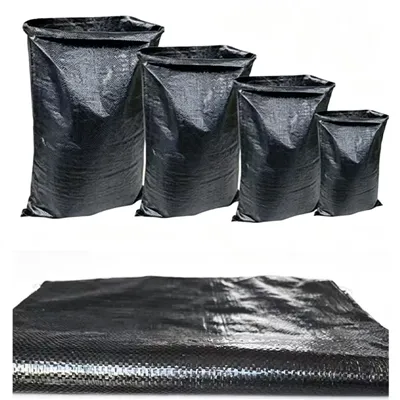
First, let’s start with the biggest mistake I see people make: storing sandbags when they’re still wet. I get it—flood season ends, you’re relieved, and you just want to get rid of the last of the cleanup. But if a sandbag is still damp when you tuck it away, it’s basically a mold and mildew party waiting to happen. Mold eats through fabric (even the heavy-duty polypropylene ones we sell) way faster than you’d think, and if the sand inside stays wet, it’ll clump together into a solid brick that you can’t stuff into a bag next time. So before you even think about storing, give every single sandbag a once-over. How do you check? Squeeze the fabric gently. If it feels cold or damp to the touch, lay it out flat in a sunny spot for a few days—don’t stack them while they’re drying, that traps moisture in the middle layers. We usually tell clients to wait until the sand inside is totally dry to the touch, no cool spots, no moisture seeping out when you press. If you have a ton of sandbags, you can speed this up with a box fan—just set it up pointing at the stacks, that helps air circulate without baking the fabric.
Next up: the right storage spot. I know it’s tempting to just pile them in the back of your garage or out by the side of the building where they’re out of the way. But that spot might have issues you don’t notice—like ground dampness, rodents, or direct sunlight. Let’s break down the best (and worst) options. First, never store sandbags directly on the ground. Whether it’s concrete, dirt, or asphalt, the ground holds moisture, and over time that will wick up through the bottom of the bags. If you can, use pallets—wood pallets work, plastic pallets work too, just make sure they’re clean. If you don’t have pallets, even old wooden skids or stacked cinder blocks will lift the bags 6 inches or so off the ground. That tiny gap makes a huge difference for airflow and keeping them dry.
Then, avoid places that get direct sunlight. UV rays are a killer for the polypropylene fabric we use for our sandbags. Leave them out all summer, and the fabric will become brittle, tear easily, and fall apart when you go to pick them up. I’ve had clients tell me they stored sandbags on a west-facing fence line last year, and half the bag fabric was so thin it ripped just lifting it. So opt for a shaded area—like the back of a covered workshop, a storage shed, or even under a tarp that’s stretched over a frame to keep it off the bags, not just laid flat on top. Also, stay away from areas where rodents hang out. Mice and rats love to chew on fabric, especially if it’s a little dusty or has leftover sand residue. I know traps and poison work, but if you can, line the storage area with a thin metal sheet or place sandbags on metal pallets to make it harder for them to get in. If you’re storing indoors, that’s even better—just make sure the space is well-ventilated. Closed, stuffy spaces lead to mold, so if your shed doesn’t have windows or vents, crack a door or set up a small fan to keep air moving.
Now, how to stack them. This is another thing most people get wrong. If you just stack them willy-nilly, the bottom bags get crushed, and air can’t get between the layers. We recommend stacking sandbags in pyramids or rectangular stacks that don’t get too tall—max 5 feet high, tops. Why? Too many layers, and the weight of the top bags will squeeze the sand in the bottom ones into a hard clump, plus air can’t circulate through the lower layers, leading to mold. Also, stagger the bags like you would for a fence—each row is offset from the one below it, not directly on top. That keeps the stack stable and creates tiny gaps between every bag, which lets air flow through. If you’re short on space, you can stack them a little higher, but no more than 6 feet, and only if the bottom layer is on pallets and the bags are fully dry.
What about extra protection? Some clients ask if they should wrap them in plastic, and I get why—plastic seems like it would keep moisture out. But wait—if you wrap damp sandbags in plastic, you’re trapping all that moisture inside, which is a disaster. Even fully dry sandbags wrapped in plastic can develop condensation if the storage area has any humidity, because plastic doesn’t breathe. So skip the plastic wrap. Instead, if you’re storing them outside (even under a shelter), cover the top layer of the stack with a heavy-duty tarp that’s breathable. Wait, breathable—yes, not the thin, plastic tarps you use for a one-time tarp job. Get a woven poly tarp, or a tarp made from a material that lets air pass through. That keeps rain and dew off, but still lets any tiny bit of moisture escape. Also, make sure the tarp is secure—use bungee cords or rope, not just a few rocks. Wind can lift a tarp in the middle of the night and dump rain right on your stored sandbags.
Wait, what about if you’re storing unused sandbags that haven’t been filled yet? A lot of people have extra empty ones left over, and they think those are easier to store because they’re light. But don’t make the mistake of shoving them in a box or leaving them crumpled. Empty sandbags need to be stored flat, not balled up or folded into tiny squares. If you crumple them, they get permanent creases in the fabric, which weakens it over time. So lay them flat on a shelf or a pallet, or stack them loosely, not folded. Also, keep empty sandbags away from sharp objects—nails, tools, sharp corners of shelves can poke holes in the fabric, which is a waste. And if you have any bags with holes, patch them before storing—we keep a roll of poly tape on hand for our clients, it works for small rips so they don’t get worse in storage.
Another big one: labeling. I can’t tell you how many clients call us in flood season saying “I don’t know where I put my sandbags” or “these ones are from 2019, are they still any good?” Off-season is the perfect time to label your stacks. Use a permanent marker to write the date you stored them on the side of a top bag, and if you have different sizes or types (like standard vs. heavy-duty), note that too. That way, next year you don’t have to dig through every pile to find what you need, and you can easily pull out the oldest bags first to use. We always tell clients to rotate their sandbags—don’t use the ones from last year before the year before that, because fabric degrades over time even in storage. Most good-quality flood sandbags will last about 5 years if stored right, but that timeline shrinks if you mess up storage.
Let’s talk about common mistakes I’ve seen over the years, because I want you to avoid these. First, storing sandbags in direct contact with concrete. I had a client last year who stored 200 sandbags on a concrete floor in his parking garage. By the next flood season, the bottom 50 bags had mold all over the inside fabric, and the sand was damp, so they were useless. All because he skipped the pallet—$10 worth of pallets would have saved him hundreds in replacement. Second, stacking them too high. I worked with a small city last year that stacked 10 feet high, and the bottom 200 bags were crushed so bad the fabric was stretched thin, and half the sand clumped. That’s a total waste. Third, not checking them every few months. Off-season is 6 or 7 months long, and sometimes a leaky tarp or a small rodent problem can start. We tell clients to do a quick check every 2 months—pull a few bags from the stack, make sure they’re dry, no holes, no mold. That way you catch problems early, not when you need them.
What about if you don’t have a lot of space, and have to store them in a really small spot? Like a small apartment balcony, or a tiny storage unit? If it’s a storage unit, make sure it’s climate-controlled if possible. Most self-storage units get super humid in the summer, which is bad for sandbags. If you can’t get a climate-controlled one, put a few bags of silica gel (you can get them at any hardware store) in the stack to absorb moisture. And if you’re storing them on a balcony, same rules—pallets off the concrete, shaded area, breathable tarp on top. Don’t leave them out in the sun all winter, even if it’s cold. UV rays go through clouds and windows, so they’ll still damage the fabric.
Now, a quick note from someone who’s been in this game for a while: trust the product you buy, and take care of it, and it’ll take care of you. Our flood control sandbags are made from heavy-duty woven polypropylene, designed to last, but even the best product won’t survive bad storage. I’ve seen cheap sandbags fall apart in a year, and good ones last 5 years or more, just from how you store them.
If you’re gearing up for off-season storage right now, or you need to restock on sandbags for next season, feel free to reach out. We’ve got all sizes, from standard residential bags to commercial heavy-duty ones, and we can help you figure out exactly how many you need for your space. No weird hoops, no confusing contracts—just solid flood control supplies that work when you need them.

Don’t wait until the first rain to realize your sandbags are garbage. Take a couple hours this off-season to store them right, and you’ll be ready when flood season hits next.
Construction Waste Bags References:
- Federal Emergency Management Agency (FEMA). (2020). Multi-Hazard Disaster Prepardness Guide: Sandbag Selection, Use, and Storage.
- American Society for Testing and Materials (ASTM). (2021). Standard Specification for Woven Polypropylene Sandbags for Flood Control Applications.
- National Weather Service (NWS). (2022). Off-Season Flood Mitigation: Best Practices for Storage of Flood Control Supplies.
- Occupational Safety and Health Administration (OSHA). (2019). Workplace Storage Guidelines for Heavy Duty Textile Safety Supplies.
Liaoning Xunlian Packaging Products Co., Ltd.
Liaoning Xunlian Packaging Products Co., Ltd. is one of the most professional flood control sandbags manufacturers and suppliers in China, featured by quality products and good service. Welcome to wholesale CE approved flood control sandbags made in China here and get quotation from our factory. Customized orders are welcome.
Address: Chaoyang Industrial Park, Kangping, Shenyang, Liaoning, China.
E-mail: info@xunlianpack.com
WebSite: https://www.xunlianpack.com/
