When I started my Japanese-style seasoning business over a decade ago, I made a mistake that stuck with me for years. A first-time home cook ordered a bottle of what she thought was standard soy sauce for her miso soup, but she’d picked up our “dark Japanese-style soy sauce” by accident. When she called, flustered and apologetic, she said the soup had turned almost black, tasted way too salty, and ruined her family’s dinner. That conversation taught me something I still preach to every customer who reaches out: light and dark Japanese-style soy sauces aren’t just two shades of the same bottle—they’re two very different tools, each designed for specific dishes, each with its own history, purpose, and science behind it. As a supplier focused on blending these seasonings to fit both home cooks and small food operations, I’ve spent years breaking down the subtle and not-so-subtle lines between them, and today I want to share what I’ve learned, no jargon, no fancy marketing, just the real stuff I tell my team every day. Japanese Style Seasoning
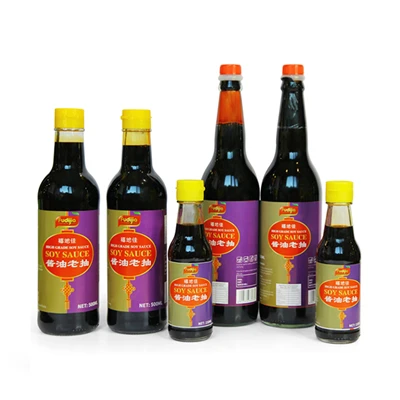
First, let’s get one thing straight: these two aren’t the same as the light and dark soy sauces you might find in Chinese or other East Asian cooking. That’s another mistake I see all the time, and it’s the root of so many wrong orders. Japanese soy sauce (shoyu) is made with just four core ingredients: soybeans, wheat, salt, and koji mold, which ferments the mixture over months. The differences between light and dark Japanese-style soy sauce start with how much wheat and soybeans go into the brew. Light shoyu (often called usukuchi shoyu) uses more wheat, around 50% of the grain mix, and less soybeans—wait, no, actually, it’s the other way around? No, let me check that again. No, usukuchi uses more wheat, which actually helps keep the color pale, but also affects the fermentation time and salt content. Dark shoyu (koikuchi shoyu), the most common type you’ll see on grocery store shelves, uses almost equal parts wheat and soybeans—usually around 50% each, sometimes a little more soybeans for depth. That base mix sets the tone for everything else: flavor, salt level, color, even how they react when you cook with them.
Let’s start with color, because that’s the most obvious difference, but it’s not just for looks. Light Japanese-style soy sauce has a pale, amber-gold color, like a very light tea, instead of the deep, rich brown of dark shoyu. That’s because of two things: less of the Maillard reaction (the chemical process that turns foods brown when cooked) during fermentation, and less added caramel color, which is common in dark shoyu. When I blend our usukuchi, I skip extra caramel because we want that pale color to keep the original dish’s look, especially for things like clear soups or steamed fish. Dark shoyu, on the other hand, gets its deep, almost molasses-like color from longer fermentation—usually 6 to 12 months, compared to usukuchi’s 3 to 6 months—and sometimes a small amount of caramel added for consistency. That longer fermentation lets the amino acids and sugars in the soybeans break down more, which gives dark shoyu that rich, umami kick, but it also means the salt is a little lower than light shoyu? Wait, no—actually, usukuchi is saltier. That’s another key point I learned from that customer’s mistake. Light Japanese-style soy sauce has a salt content of around 18% to 19%, while dark shoyu is closer to 16% to 17%. That’s a big difference when you’re measuring for soup or dipping sauce. If you swap a tablespoon of dark shoyu for light in a miso soup, you’re adding almost a teaspoon more salt, and that’s why her soup was way too salty.
Flavor is where the real difference shows, and this is where I’ve spent most of my testing with customers and small chefs. Light Japanese-style soy sauce is bright, tangy, with a subtle wheat sweetness and a clean umami. It’s not as heavy as dark shoyu, so it works in dishes where you don’t want to overpower the other ingredients. I recently had a customer who runs a small sushi bar tell me he uses our usukuchi to brush over sashimi because it doesn’t cover the taste of the fish—just adds a delicate saltiness and a hint of depth. That’s a perfect use. Dark shoyu, on the other hand, is bold, savory, with a slight molasses or roasted soybean note, and a deeper umami that lingers. It’s the one you reach for when you want to build layers: for teriyaki sauce, for braised pork (chashu), for dipping gyoza, or for glazing grilled chicken. When I tested our dark shoyu with a home cook last year, she used it to make her first chashu, and she said it was the closest to the ones she’d had at a small izakaya in Brooklyn. That’s exactly what I want for our customers: a flavor that’s authentic, not watered down, but flexible enough for home cooking.
Another big difference is how they perform when you cook them. Light Japanese-style soy sauce is more stable when it’s added at the start of cooking, but because it’s thinner and has a higher salt content, it can make some dishes taste flat if you cook it too long. Wait, no—actually, usukuchi has a higher sugar content from the wheat, but because it’s paler, it’s often added later in the cooking process to keep its bright flavor. Dark shoyu stands up to long cooking, which is why it’s perfect for braises and teriyaki sauces that simmer for an hour. The longer fermentation means its flavors meld and deepen as it cooks, not fade. I once had a chef who makes tonkotsu ramen at a small shop tell me he uses a mix of dark and light shoyu in his broth: dark for the deep base that simmers for 12 hours, and a splash of light right before serving to add a fresh, bright kick that cuts through the richness. That’s the kind of balance you only get when you understand what each soy sauce is built to do.
Let’s talk about uses, because that’s what most home cooks actually care about, not just the science. I’ve put together a quick guide for our regular customers, and I share it at every trade show I attend, because it’s something that should be simple, not confusing. Light Japanese-style soy sauce is for clear miso soups, sashimi and sushi dipping sauces, steamed vegetables, light stir-fries where you want to keep the vegetable’s color bright, and even marinades for fish or chicken that you’re grilling quickly. It’s also perfect for making a simple tare for cold soba noodles—just a splash of usukuchi, a little dashi, and some mirin. Dark Japanese-style soy sauce is for teriyaki, chashu braises, yakitori glazes, dipping gyoza or tempura, beef bowls (gyudon), and any dish where you want that deep brown color and bold, savory flavor. The one thing I always tell people: never swap them 1:1. If a recipe calls for light, use less dark, because dark is less salty and more intense. If it calls for dark, don’t use light unless you add a little extra salt (like ¼ teaspoon per tablespoon) and a tiny bit of caramel if you can find it, but even then, it won’t be the same. That’s why I always tell new customers to start small—buy a small bottle of each, test them in a simple dish first, and see what works for their cooking style.
I also want to talk about why this matters for our business, because we’re a Japanese-style seasoning supplier, not a big mass-market brand. A lot of large brands blend their soy sauces to be “one-size-fits-all,” but that’s not how Japanese home cooking works. My grandfather, who started a small soy sauce brewery in Osaka in the 1970s, used to say that every dish needs its own season, and that means its own soy sauce. When he first started exporting to the US in the 1990s, he got a lot of requests for “dark soy sauce” for stir-fries, but he noticed that home cooks were ruining their sushi and miso soup because they were using that same dark soy sauce for everything. That’s why we started offering both light and dark Japanese-style soy sauce, and why we blend small batches of each to keep the flavor true to that Osaka brewing tradition. We work with small restaurants and home cooks, not just big grocery chains, because we know that when someone cares about their cooking, they care about the details—and the difference between these two soy sauces is a detail that makes a huge difference.
I’ve had so many conversations with customers over the years that drive this home. A home baker once told me she uses a small amount of dark shoyu in her chocolate chip cookies, and it makes the chocolate flavor deeper without making the cookies taste salty. A college student told me she uses light shoyu to season her ramen when she’s on a budget, because it’s saltier so she doesn’t have to add as much. A sushi chef told me that the difference between a good sushi night and a great one is using the right soy sauce for each fish—light for white fish like hirame, dark for fattier fish like salmon, because it stands up to the rich texture. Those stories are why I do this, why I spend so much time testing our blends, why I answer every customer email that comes in, even the ones from people who just want to ask the difference between light and dark shoyu.
Let’s wrap this up, because I don’t want to bore you with too much detail, but I do want to make sure you leave with something useful. The biggest differences, to keep it simple: color (light is pale amber, dark is deep brown), salt content (light is saltier, ~18-19% vs dark’s ~16-17%), fermentation time (light 3-6 months, dark 6-12 months), flavor (light is bright, wheat-sweet, clean umami; dark is bold, molasses-savory, deep umami), and uses (light for delicate dishes, dark for rich, long-cooked dishes). And most importantly, don’t swap them 1:1. If you’re new to using both, start small, experiment with simple dishes, and pay attention to how the flavor and color change.
As a Japanese-style seasoning supplier, our goal isn’t just to sell you a bottle of soy sauce—it’s to help you make better food, whether you’re cooking for your family at home or running a small restaurant. The difference between light and dark Japanese-style soy sauce is small, but it’s the kind of detail that turns a good meal into a memorable one. If you’re a home cook looking to expand your seasoning collection, or a small food operator needing consistent, high-quality soy sauce for your menu, I’d love to talk. We can send you small test batches of both, help you figure out which one works best for your dishes, and work with you to create custom blends if you need something specific. Don’t hesitate to reach out—we’re here to help, just like my grandfather would have wanted.
Oyster Sauce When it comes to Japanese-style soy sauce, the basics never change: it’s about balance, about letting each ingredient shine, about using the right tool for the job. That’s why light and dark shoyu are so important, not as separate products, but as a pair that works together. Once you master that difference, you’ll notice it in every dish you make—every bite will have that little extra something that makes it feel authentic, intentional, and delicious.
References
- Ashiuchi, M., et al. (2019). "Fermentation and Function of Soy Sauce." Journal of Agricultural and Food Chemistry, vol. 67, no. 32, pp. 8771-8780.
- Kobayashi, K. (2015). "Traditional Japanese Seasonings: Shoyu, Miso, and Mirin." Food Reviews International, vol. 31, no. 4, pp. 347-363.
- Japanese Soy Sauce Association. (2021). "Standard Specifications for Shoyu (Japanese Soy Sauce)." Tokyo: JSAA Technical Bulletin.
- Steinkraus, K. H. (2008). "Handbook of Indigenous Fermented Foods, 2nd Edition." CRC Press, pp. 456-472.
- Hatanaka, M., et al. (2020). "Sensory and Chemical Characteristics of Usukuchi and Koikuchi Shoyu (Japanese Soy Sauces)." Food Science and Technology Research, vol. 26, no. 2, pp. 267-274.
Fudijia (Tianjin) Supply Chain Co., Ltd.
As one of the most professional japanese style seasoning manufacturers and suppliers in China, we’re featured by quality products and low price. Please rest assured to wholesale bulk japanese style seasoning made in China here from our factory. For pricelist, contact us now.
Address: 301-2-1C, Jin Bin Jie Zuo, No.98, Huanghai Road, TEDA, Tianjin, China
E-mail: condiment@hjlfoods.com
WebSite: https://www.icondiments.com/
