Hey there, if you’ve ever stood in a garage staring at a half-dismantled truck engine, or watched a Go-Kart racer panic mid-heat because their rig’s temp gauge is spiking like a bad stock ticker, you know this: the engine cooler isn’t just a random hunk of metal bolted to your ride. It’s the unsung hero keeping everything from a daily commuter to a 1000HP race car from turning into a smoking doorstop. And as someone who’s been on the engine cooler grind for years—been there, fixed that, heard every dumb (and dangerous) question you can think of—I’m here to spill the real tea on how to pick one that actually works, no fluff, no sales BS. Engine Cooler
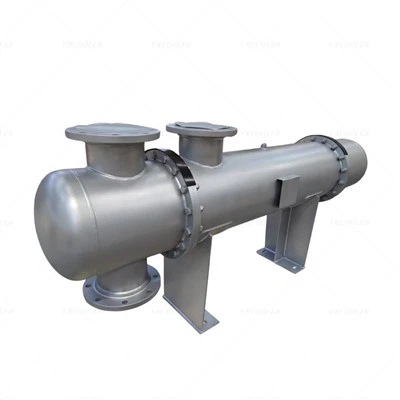
First off, let’s cut through the confusion. You don’t need a PhD in thermodynamics to get this, but you do need to stop treating “bigger is better” like it’s gospel. I’ve seen it a hundred times: a guy slaps on a 2-inch-thick aluminum cooler on his 2.0L Civic, wonders why it’s overheating at stop lights in summer. Newsflash—size matters, but so does what the cooler’s actually built for, and how it pairs with your engine. Let’s break this down step by step, like we’re troubleshooting a problem in my shop, not writing a college paper.
First, figure out what your engine’s “heat load” actually is. That’s the total amount of garbage heat your motor is pumping out, right? Not just the make and model—what do you use it for? If you’re driving a Honda Civic to work every day, that’s way different than towing a 7,000-pound trailer up a mountain, or racing it at 8,000 RPM for 20 laps straight. I had a customer last year who brought in a 2018 F-150; he said his stock cooler was blowing out coolants every time he towed his camper to Colorado. We ran the numbers, and his heat load wasn’t just normal towing—he had a performance tune cranked way too high, so his engine was making 15% more power than stock, which meant way more heat. His stock cooler was sized for factory power, so we swapped it for a heavy-duty unit rated for that extra load, and boom—no more overheating. Here’s the easy way to ballpark this: if you’re stock, stick to coolers rated for your engine’s factory HP. If you modded it, tow regularly, or race? Add 20-30% to that HP number to get the right size. Don’t guess—most good coolers list their heat capacity in BTUs per hour, and that number lines up with HP roughly (1 HP = ~2545 BTUs/hour, for the nerds reading this). Do the math, it’s not hard.
Next, pick the right material. This is where a lot of people mess up, and it’s why I’ve seen so many coolers rust out or crack way before their time. The two big ones are aluminum and brass/copper. Let’s be real—brass used to be the go-to, back when engines were way less powerful. It’s durable, conducts heat like a champ, but it’s heavy. Like, really heavy. And if you’re building a race car, every pound counts. Aluminum is the modern workhorse, and for good reason—it’s 50% lighter than brass, conducts heat almost as well, and is way more resistant to corrosion, especially if you’re using distilled coolant or live somewhere with salty roads. I’ve seen brass coolers on old pickups that are 20 years old and still rock solid, but try to put one on a 2024 electric hybrid towing a trailer? No way—aluminum is the only one that works with modern coolants that have extra additives for electric components. Wait, but hold on—don’t sleep on plate-fin vs. tube-and-core designs, even if they’re the same material. Tube-and-core is what most stock cars have: little tubes stacked together, cheap, works fine for daily driving. But if you’re towing or racing, plate-fin is the way to go. It has way more surface area for air to hit, so it dissipates heat way faster. I remember a guy who swapped his stock tube-and-core for a plate-fin on his drag racing truck; his ET dropped 0.2 seconds, and his temp stayed 10 degrees lower. Worth every penny, trust me.
Then there’s the fitting size and type. This is the tiny, easy-to-overlook detail that’ll make you want to throw your tools across the garage. I’ve had customers come in with a brand-new cooler, all excited to install it, only to realize their stock hoses don’t fit the new cooler’s ports. What a waste of time. So check two things first: what’s the diameter of your stock hoses? 1.5-inch? 1.75-inch? 2-inch? That’s the port size you need, 9 times out of 10. And then there’s the connection type: do you have push-on hoses? Crimped? Quick disconnects (the ones with that little clip that’s easy to mess up)? If your new cooler has a different fitting, don’t be that guy who tries to jerry-rig it with a rubber hose and a zip tie. You’ll blow a hose at 70 mph and end up with a dead engine on the side of the highway. Spend the extra $10 to get adapters that fit, or just pick a cooler that matches your existing ports. I keep a bin of random adapters in my shop for exactly this reason—saved so many people from headaches.
Wait, let’s talk about use case specifics, because one size doesn’t fit all (even if you ballparked the HP right). Let’s break down the common scenarios people ask me about:
Daily driver commuters: If you’re just driving back and forth to work, maybe a weekend road trip, you don’t need a race-grade plate-fin cooler. A high-quality aluminum tube-and-core is more than enough. Look for one that has extra corrosion resistance—some coolers have a special coating inside the tubes that stops rust and coolant breakdown, which is big for people who don’t want to replace their cooler every 5 years. I recommend these for most people who aren’t modding their car; they’re affordable, easy to install, and they’ll handle your daily heat load no problem.
Towing/heavy-duty use: This is where you need to step it up. If you’re towing more than 5,000 pounds, or driving in hilly, hot areas, forget stock. Go with a heavy-duty aluminum plate-fin cooler, sized for at least 30% over your engine’s HP. Also, make sure it has a higher pressure rating. Stock coolers are usually rated for 13-15 PSI; heavy-duty ones go up to 20 PSI. Why? When you’re towing, your coolant system is working way harder, and higher pressure keeps the coolant from boiling at lower RPMs (it’s a thing—water boils at 212°F at sea level, but at 20 PSI, it boils at like 250°F, which is exactly what you want for towing up a mountain). I had a customer with a Chevy Silverado who towed his horse trailer from Texas to Colorado; his stock cooler was only rated for 15 PSI. Swapped it for a 20 PSI heavy-duty plate-fin, and he told me later he didn’t even need to turn on his auxiliary cooling fan the whole trip. That’s the kind of win we’re after.
Racing/performance builds: If you’re at the track every weekend, or built a 600HP drag car or road race car, this is a whole different ballgame. You want a lightweight, high-flow aluminum cooler, usually with a thicker core (1.5 to 2 inches, not the stock 1 inch) and high-performance fittings. Also, consider an auxiliary cooler if you’re really pushing it—wait, no, actually, for race builds, you might even get a dual-pass cooler, where the coolant goes through two sides of the core instead of one, so it has more time to dissipate heat. I worked on a 700HP Mustang road race car last year that was overheating in 100°F weather; we swapped its single-pass tube-and-core for a dual-pass plate-fin, and its temp dropped 15 degrees during laps. The driver went from pitting every 10 laps to pitting every 20, which made all the difference in his race result. Also, for racing, skip the cheap eBay coolers that claim to be “high-performance” but are just overpriced aluminum boxes. Stick to reputable brands that test their coolers in actual race conditions—don’t trust a guy on a forum who says his $50 Amazon cooler works great.
Now, what about red flags to watch out for? Because even if you do all this stuff, there are bad coolers out there. First, super cheap coolers (under $100 for a full-size unit) are usually made with thin aluminum that’ll crack after a year or two, or have bad welds that leak. I had a customer bring in a $70 cooler he bought online; it had a pinhole leak in the core within 3 months. Don’t skimp here—your engine is thousands of dollars, so spending $200-500 on a good cooler is worth it. Second, coolers that don’t list their heat capacity or pressure rating. Any reputable manufacturer will tell you exactly what their cooler is rated for, so if a sales rep can’t answer that, walk away. Third, coolers with weird fitting sizes that don’t match anything. That’s a sign they’re made for a specific niche, and you’ll have a hard time finding parts for it if something goes wrong.
Wait, one last thing—installation isn’t everything, but a bad install will ruin even the best cooler. If you’re not handy with tools, don’t try to do it yourself unless you’ve watched 10 YouTube tutorials and know what you’re doing. Make sure the cooler is mounted correctly, so air flows through it freely—no blocking it with a front license plate or a big bull bar. Also, bleed the cooling system properly after installation; air pockets are a killer, they can cause overheating even if your cooler is perfect. I always tell people: if you’re confused, take it to a local mechanic you trust, it’s $50-$100 well spent to not mess up a $2,000 engine.
At the end of the day, choosing an engine cooler isn’t rocket science—it’s just matching the cooler to what you actually use your car for. Stop chasing size for size’s sake, stop buying cheap stuff to save a buck, and pay attention to the small details that make a cooler work. Whether you’re a daily driver or a full-time racer, there’s a perfect cooler out there for you, and you don’t have to overcomplicate it.

If you’re not sure what fits your setup, or you want to skip the guesswork and get a cooler tailored to your use case, hit us up to chat. We’ve tested coolers on everything from commuter Civics to 1000HP race trucks, and we can help you pick one that works, no sales fluff, no hidden fees. Shoot us a line to start talking through your needs—we’re here to make sure your engine stays cool, not smoking.
Air Compressor Cooler References
- Internal Combustion Engine Fundamentals, Heywood, J.B.
- Automotive Cooling Systems: Design, Selection, and Performance, Garrett, T.
- SAE International Technical Paper 2019-01-0567: Thermal Management of Heavy-Duty Vehicle Cooling Systems
- Automotive Engineering Magazine, 2021: Best Practices for Cooler Selection in Performance Applications
Changzhou Vrcooler Refrigeration Co., Ltd.
Changzhou Vrcooler Refrigeration Co., Ltd. is one of the most professional engine cooler manufacturers and suppliers in China, specialized in providing high quality aftermarket service. Please rest assured to buy high-grade engine cooler for sale here from our factory. For price consultation, contact us.
Address: No. 18-69,Changwu Zhong Road, Wujin district, Changzhou, Jiangsu
E-mail: info@vrcooler.com
WebSite: https://www.vrcooler.com/
