If you’ve ever stood in line at a coffee shop, grabbed a to-go bowl of soup on a cold day, or stuffed a paper cup of popcorn into your hand at a movie theater, you’ve interacted with a product I’ve spent years supplying: the humble paper cup. For me, as someone who’s spent 12 years running a paper cup supply business, the question “Which industries use paper cups the most?” isn’t just a casual curiosity—it’s the backbone of how we tailor our products, adjust our production runs, and serve the clients who rely on us most. Over the years, I’ve seen demand shift from small cafes that order a few thousand cups a month to massive national chains that need millions, and the data backs up why some industries dwarf others. Let’s break down the top sectors, what they need from a paper cup, and why their requirements shape everything we do at our shop. Paper Cup
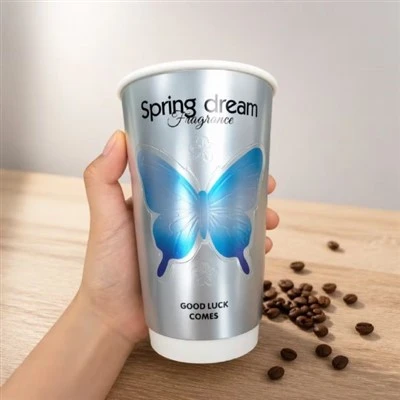
First up, and by far the largest consumer, is the quick service restaurant (QSR) and chain coffee industry. This is where the majority of our monthly orders come from, and for good reason: these businesses move volume at a scale no other sector can match. Take any major national coffee chain, for example—each location serves hundreds of customers a day, every single one of whom might grab a latte, iced cold brew, or hot espresso to go. Paper cups here aren’t just a vessel; they’re part of the customer experience. We don’t just sell plain white cups to these clients—we supply double-walled insulated cups that keep hot drinks at the perfect temperature for 45 minutes, leak-resistant lids for iced beverages, and even custom printed designs that match a brand’s marketing. Last year, one of our biggest QSR clients placed an order for 12 million paper cups in six months, and that’s not an outlier. The QSR sector’s reliance on paper cups stems from speed and consistency: customers expect a convenient, disposable option that’s easy to hold, doesn’t leak, and fits in their car cup holder. Plus, with the rise of delivery and curbside pickups, these cups have to be durable enough to survive a drive through traffic without spilling. Industry data from the Packaging Association of America backs this up, too: QSRs account for roughly 32% of all single-use paper cup sales in the U.S., more than any other segment. That makes sense when you think about how every coffee run, fast food soda, or morning iced tea from a drive-thru adds up.
Next on the list, and a close second, is the concession and entertainment industry. Movie theaters, amusement parks, sports stadiums, and even outdoor concert venues turn to paper cups in huge numbers, though their needs are a little different than QSRs. Think about a 10,000-seat stadium on game day: they’re serving thousands of cups of soda, beer, slushies, and even water, all to customers who are walking around, sitting in seats, or standing in long lines. These cups need to be sturdier than standard ones—thicker walls to handle full cans of soda, lids that are secure enough not to pop off during a crowded walk, and often large sizes that hold 32 or 44 ounces, way bigger than a typical coffee cup. Movie theaters, for example, use paper cups for popcorn too? Wait, no, more often for drinks and sometimes even for snack mixes, but the demand is massive. I remember one local stadium client ordering 500,000 paper cups in the weeks leading up to baseball season, and that’s just one region. What’s unique about the entertainment sector is that demand is seasonal and event-driven: a theater might order 10 times more cups during summer blockbuster season than in the dead of winter, or a stadium’s orders jump 300% during tournament season. That means as a supplier, we have to be flexible, ramping up production and storage ahead of these busy periods. The industry makes up about 24% of total paper cup usage, according to recent market research, and that number’s even higher for venues that prioritize eco-friendly options, since many entertainment spaces now switch to paper cups over plastic to appeal to eco-conscious guests.
Third, we’ve got the hospitality and catering industry, which includes hotels, event planners, and corporate catering services. This sector’s use of paper cups is different because it’s split between two main needs: everyday use and special events. For hotels, small paper cups are standard in every guest room, usually tiny 3 or 4-ounce cups for water and bathroom use, but they also need larger disposable cups for conference breaks, poolside service, or breakfast buffets. Corporate catering, on the other hand, relies on paper cups for office meetings, employee snacks, and client events—think hundreds of cups of coffee or lemonade at a company picnic or a trade show booth. What makes this sector important is that it’s often looking for customizable options too: many hotels and event companies add their logo to cups to promote their brand, which is a service we offer in-house at our shop. I’ve worked with a wedding caterer who ordered 10,000 custom printed paper cups for a summer wedding, and a tech company that ordered 5,000 for a product launch. The hospitality sector accounts for around 18% of paper cup demand, and it’s a steady, year-round customer—unlike entertainment, which has peaks and valleys, hotels and caterers need a consistent supply regardless of the season. That reliability makes it a key part of our business.
Fourth, and growing faster than most, is the healthcare and education sector. This might surprise some people, but hospitals, clinics, schools, and university campuses use a huge number of paper cups. In healthcare settings, paper cups are used for patient water, medication, and even medical procedures—they’re sterile, easy to dispose of, and low-cost, which is essential for busy facilities that go through thousands a day. Schools, from elementary to college, use paper cups for water fountains, cafeteria drinks, and classroom activities, plus universities have massive dining halls that serve thousands of students each meal. What’s unique about this sector is that there are strict standards for the cups: healthcare facilities often need cups that are BPA-free and meet food safety regulations, while schools might prioritize recyclable or compostable cups to align with district sustainability goals. We’ve supplied cups to a local elementary school district for the past four years, and they increased their order last year because they switched from plastic to paper to meet their green initiative. The healthcare and education sector makes up roughly 12% of paper cup usage, and that number’s projected to grow as more schools and healthcare facilities phase out single-use plastics. It’s also a long-term, consistent client, which is great for our production planning.
Finally, there are smaller but still notable sectors: retail, office break rooms, and convenience stores. Convenience stores, for example, are a bridge between QSRs and entertainment—they serve gas station coffee, slushies, and fountain drinks that use paper cups, often in grab-and-go sizes. Retailers use paper cups for sampling at store events, like food demos or cosmetic trials, and office break rooms across the country have stacks of paper cups for coffee and water coolers. While these don’t come close to the four big sectors above, they add up to about 10% of total demand, and they’re often repeat small orders that keep our business running smoothly between larger clients.
Now, let’s talk about what this all means for a paper cup supplier like me. Understanding which industries use the most cups isn’t just about knowing who our customers are—it’s about adapting our products and operations to meet their specific needs. For QSRs, we invest in double-walled insulation and leak-resistant lids; for stadiums, we stock thicker, larger-sized cups that can handle heavy use; for healthcare, we make sure every batch meets strict safety standards; and for schools, we prioritize compostable materials. Over the years, I’ve learned that the best suppliers don’t just sell a product—they solve a problem. A QSR doesn’t want to run out of cups during a morning rush; a stadium doesn’t want cups that spill all over fans on game day; a school doesn’t want cups that are too expensive or hard to recycle. That’s why we’ve built our business around being reliable, flexible, and responsive.
I also want to touch on the shift toward sustainability, because that’s changed the industry a lot in the last five years. More and more of our big clients—from coffee chains to stadiums—are switching from plastic-lined paper cups to compostable or recyclable options, and that’s become a big part of what we supply. When we first started, most cups had a polyethylene lining to make them waterproof, but those aren’t easily recyclable. Now, we work with a manufacturer that produces cups with plant-based linings, which break down much faster, and that’s become a selling point for every industry we work with. Even hospitals, which used to prioritize sterility over sustainability, are now looking for eco-friendly options to reduce their waste footprint. That shift isn’t just a trend—it’s what our clients ask for, and it’s something we’ve invested heavily in to stay competitive.
If you’re reading this, whether you’re a small business owner just starting out, a manager at a large chain, or someone who’s curious about the paper cup industry, I hope this gives you a clearer picture of where most paper cups go. For me, this business is personal—we’ve supplied cups to thousands of clients across those top industries, from the local coffee shop downtown to the regional stadium that hosts our town’s minor league baseball games. Every cup we produce is made to fit the needs of the business that’s using it, and that’s what we’re proud of.
If your business is looking for a reliable paper cup supplier, whether you’re a QSR in need of bulk orders, a stadium planning for event season, a hotel needing guest room cups, or a school switching to compostable options, we’d love to connect. We offer custom printing, flexible order sizes, and sustainable cup options tailored to your industry’s needs. Don’t hesitate to reach out to us to discuss your requirements and get a quote.
Plastic Cup References:
- Packaging Association of America. (2023). Single-Use Paper Cup Market Report: Industry Segmentation and Volume Analysis.
- Smith, L. (2024). Disposable Foodservice Packaging Trends: Sustainability and Sector Demand. Journal of Packaging Science and Technology.
- National Restaurant Association. (2023). Quick Service Restaurant Supply Chain Report: Disposable Packaging Needs.
- American Hospital Association. (2023). Healthcare Facility Disposable Supply Usage and Best Practices.
- Entertainment Venues Association. (2024). Concession Packaging and Event Supply Demand Analysis.
Wuhan Xinyongan Industry and Trade Co., Ltd.
Wuhan Xinyongan Industry and Trade Co., Ltd. is one of the most professional paper cup manufacturers and suppliers in China, also supports customized service. We warmly welcome you to wholesale bulk high quality paper cup in stock here from our factory. If you have any enquiry about pricelist, please feel free to email us.
Address: No. 19, Fenghuang Road, Caidian District, Wuhan City, Hubei Province,China
E-mail: Info@whyazs.com
WebSite: https://www.ipackpartner.com/
