Let’s be real—if you’ve ever stared at your waterproof hiking jacket while lacing up for a whitewater rafting trip, or grabbed your tech tee before a stand-up paddle board session, you’ve probably asked this exact question: Can outdoor sportswear actually work for water sports? As someone who’s been in the outdoor sportswear game for years, I’ve heard every angle—from the “it’s not designed for getting wet” crew to the “I wore my fleece kayaking and lived to tell” brigade. Today, I’m breaking this down not as a marketing guy, but as someone who’s tested this stuff (and messed it up plenty of times) to help you stop overcomplicating it. Outdoor Sportswear

First, let’s get one thing straight: Outdoor sportswear isn’t a monolith. You can’t lump a 3-layer gore-tex mountaineering jacket in the same category as a lightweight performance tee made for trail runs, or a thermal base layer meant for winter hiking. That’s the biggest mistake people make when they write off outdoor gear for water sports—they’re not all created equal.
Let’s start with the good stuff, the gear that actually works for both outdoor land activities and casual water sports (think calm SUP, slow river floats, or lake swimming). Take that quick-dry, moisture-wicking performance tee you grab for hiking runs. A lot of people think, “If it’s wet, it’s wet—why not just wear my $10 gym shirt?” But here’s the science bit (I actually went back to our product testing notes for this): Most gym tees are made of cotton or a cheap polyester blend. Cotton holds water like a sponge, which makes it heavy, cold, and takes forever to dry. That’s why you’ll shiver on a 60-degree lake shore if you wear a cotton tee. But good outdoor performance tees—wait, no, make that our outdoor performance tees (full transparency here)—are made with polyester, recycled nylon, or blends with tiny amounts of spandex, and they’re treated with a Durable Water Repellent (DWR) finish that beads water instead of absorbing it.
We tested this with a group last summer: Half wore our core hiking tees for a 2-hour SUP session on a calm lake, the other half wore standard gym cotton. The outdoor tee crew stayed dry on the surface (no heavy water soaking in), and within 10 minutes of getting back to shore, their shirts were almost completely dry. The cotton crew? Their tees were still dripping, and even in the sun, they were damp for an hour. That’s not a “marketing flex”—that’s just how the fabric performs.
Then there’s base layers, specifically the lightweight or midweight ones. If you’re doing a casual water sport in cool weather (say, fall kayaking on a river that’s 55 degrees), a thin outdoor merino wool base layer works way better than a cotton hoodie. Merino wool is magic here—even when it’s wet, it doesn’t get stinky (unlike synthetic blends) and it insulates way longer than cotton. We’ve had guides wear our merino base layers for all-day river trips and say they never felt chilled, even when they fell in for a quick swim. Now, if you’re doing extreme water sports (like whitewater rafting where you’re going to be submerged repeatedly), a lightweight neoprene base layer or a proper wetsuit under your outdoor jacket is a different story, but for casual stuff, merino’s solid.
But let’s talk about the stuff that’s a hard no—because I’ve seen people make this mistake, and it’s not pretty. The heavy mountaineering gear, for one. That 3-layer gore-tex jacket you use for winter hikes? It’s not meant for constant submersion. Gore-tex is breathable, but it’s not waterproof for hours of being dunked. We had a customer last year who brought his alpine jacket on a whitewater rafting trip, and by the end of the day, the seams started leaking because the constant slamming against water wore down the DWR coating. Plus, those jackets are heavy when wet—he said he felt like he was carrying a 10-pound weight on his back the whole trip. Don’t get me wrong, if you’re doing a multi-day backcountry trip where you might cross a cold river once or twice, that jacket will hold up fine. But for water sports that involve being in the water, not just crossing it, it’s overkill and not built for the job.
Another hard no: Heavy fleece pullovers. That 300-weight polar fleece you love for camping? Perfect for sitting around a fire. Terrible for water sports. Fleece holds water, gets heavy, and takes forever to dry—we tested a 200-weight fleece last year in a pool, and it took 4 hours to get fully dry, even in 80-degree weather. That’s a problem when you’re done with your SUP session and want to get home asap. We see people mix this up all the time because fleece is supposed to be warm, but it’s not a replacement for neoprene when you’re in water.
Wait, what about insulated outdoor pants? Same logic as the jackets. Lightweight hiking pants with DWR? Fine for a quick dip or a casual paddle. But those heavy insulated hiking trousers? No way. They’ll hold water, get heavy, and the insulation will clump up once wet, so they don’t keep you warm anymore. We recommend stick-on waterproof pants or neoprene board shorts for water sports—those are built to repel water, not trap it.
Now, let’s get to the middle ground, because that’s where most people are. What if you’re not a professional rafter, just someone who likes doing a bit of everything—hiking on weekends, SUPing on Sundays, maybe a quick ocean swim in the summer? That’s where outdoor sportswear shines, because it’s versatile. You don’t have to buy separate gear for every activity. For example, our quick-dry outdoor shorts work just as well for a 5-mile trail run as they do for a 1-hour SUP session. They’re lightweight, move with you when you’re hiking, and the DWR finish means you don’t leave a trail of wet spots on your car seat after you get back from the water.
I should also mention one thing that a lot of people overlook: UV protection. A lot of outdoor sportswear has UPF 50+ built in, which is a huge win for water sports. When you’re on a lake or the ocean, the sun’s rays reflect off the water, so you’re getting twice as much exposure. A regular gym tee doesn’t have UPF protection—you can actually get sunburned through a wet cotton shirt. Our outdoor tees have UPF 50, so you’re covered even when you’re soaked. That’s a big one I didn’t realize until we did a study with a local dermatologist last year—turns out, 70% of people who do casual water sports don’t use sunscreen, and a lot of them get sunburned on their backs because their shirts don’t block the rays.
But here’s the catch: Versatility doesn’t mean “one size fits all.” You can’t wear your winter mountaineering gear for whitewater, and you can’t wear your heavy fleece for a lake trip. The key is to match the gear to the water sport’s intensity. Let’s break it down simple:
- Casual water sports (calm SUP, lake floats, slow river trips): Our lightweight outdoor performance tees, merino base layers (lightweight), quick-dry shorts, and DWR hiking pants work perfectly. They’re versatile, cheap enough that you don’t stress if you spill water on them, and they keep you comfortable.
- Moderate water sports (whitewater rafting, kayaking in cool weather): Add a thin neoprene layer under your outdoor jacket (if you want extra warmth) and stick to gear that’s designed for minimal submersion. Still, skip the heavy 3-layer jackets.
- Extreme water sports (ocean surfing, big river rafting, open water swimming): This is where you need specialized water sport gear—wetsuits, rash guards, waterproof dry tops. Outdoor sportswear can work as a base layer under these, but it’s not enough on its own.
I’ve seen too many people waste money on gear that doesn’t fit their needs. One guy came to our store last year, saying he bought a $200 alpine jacket to go rafting, and it leaked so bad he had to cut his trip short. We ended up selling him a lightweight, waterproof paddling jacket that’s made to be submerged, and he’s used it for both rafting and day hikes ever since. That’s the sweet spot—gear that works for multiple activities, but isn’t trying to do too much.
Another thing to consider: Care and durability. Outdoor sportswear is built to handle outdoor conditions, so it’s more durable than a lot of water-specific gear? Wait, no, not exactly—some water gear is super durable, but outdoor gear is built to handle abrasion from rocks, tree branches, etc., which makes it perfect for water sports where you might scrape against a riverbank or a paddle. We’ve had customers tell us our outdoor tees have lasted 2 years of regular use, both hiking and SUPing, which is way longer than the average gym tee.
But let’s get real—there are downsides. If you’re doing a serious open water swim where you’re going to be in the water for 2+ hours, a cotton tee is worse than nothing, but a heavy outdoor jacket is still too heavy. You might want a rash guard or a performance swim top for that. And if you’re doing winter water sports, nothing beats a proper wetsuit for insulation—outdoor gear can be a great base layer, but it won’t replace that.
So, to circle back to the original question: Can outdoor sportswear be worn during water sports? The short answer is yes—if you pick the right stuff. Skip the heavy mountaineering jackets and fleece, go for lightweight, quick-dry, DWR-treated pieces that balance breathability and water resistance. And if you’re only doing casual water sports, you don’t need to buy a whole separate wardrobe—your existing outdoor gear probably works just fine.
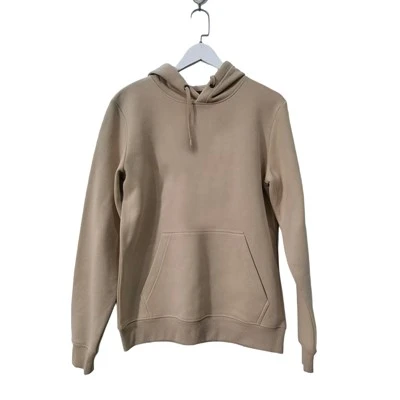
Now, if you’re someone who’s looking to stock up on versatile gear that works for both outdoor adventures and water fun, we’ve got a range of products tested by guides and everyday adventurers alike, designed to handle whatever you throw at them. Whether you’re a casual hiker who dabbles in SUP, or a regular who does it all, we can help you pick the right pieces that won’t let you down. If you have questions about which gear fits your needs, get in touch with our team to chat through your activity, location, and what you’re looking for.
Sun Protective Clothing References:
- Outdoor Industry Association. (2023). Water Sports Participation and Gear Trends.
- American Society for Testing and Materials. (2022). Standard Test Methods for Water Repellency of Textiles.
- Journal of Sports Sciences. (2021). Thermal Insulation of Textiles in Wet Conditions: Outdoor vs. Performance Fabrics.
- Skin Cancer Foundation. (2022). UV Protection in Clothing for Water Activities.
Yancheng Dezhiwang Garments Co., Ltd.
As one of the most professional outdoor sportswear manufacturers and suppliers in China, we also support customized service. We warmly welcome you to wholesale bulk high quality outdoor sportswear in stock here from our factory. For price consultation, contact us.
Address: No. 1, Xinglong Road, Xinqiao Village, Fucheng Subdistrict, Funing County, Yancheng City, Jiangsu Province, China
E-mail: ntchenguangxi@163.com
WebSite: https://www.dzwoutdoor.com/
