If you’ve ever stepped into a well-loved farmhouse kitchen—think worn wooden beams, a cast-iron stove tucked in a corner, and a table scarred from decades of flour spills and family dinners—you know it’s more than just a space to cook. It’s the heart of the home, where weekly potlucks turn into lifelong memories, where kids do homework on pull-out leafs, and where every surface has a story. As a dining sideboard supplier who’s spent 12 years helping homeowners and small businesses outfit these spaces, I’ll tell you straight: not all sideboards are created equal for a farmhouse kitchen. The best one doesn’t just hold your plates and linens—it fits the rhythm of the room, nods to its history, and works as hard as the people who gather there. Dining Sideboard

First, let’s get back to what a farmhouse kitchen actually is (and what it’s not, because trends have muddied it a bit over the years). When my grandmother ran a small farm in Ohio in the 1950s, her “kitchen furniture” was all functional: a sideboard made from reclaimed barn wood that doubled as a prep station for pie crusts, a spot to set empty milk crates, and a hiding place for her secret jar of pickles. It had dents from moving 50-pound sacks of sugar, a drawer stuck shut with old honey, and no fancy hardware—just hand-cut iron pulls. That’s the core of farmhouse, right? It’s rooted in utility, not flash. So the best sideboard for this space isn’t the sleek, glossy one you see in catalogs with zero signs of use. It’s something that feels like it’s already lived in, even if it’s brand new.
Let’s talk about the most practical style, because farmhouse kitchens run on practicality. I’d argue a reclaimed barn wood sideboard with a distressed, matte finish is the gold standard here. Why? Because reclaimed wood comes from old barns, silos, and even historic homes, and it carries that natural patina—uneven grain, subtle weathering, faint marks from decades of exposure to the elements. When you put that in a farmhouse kitchen, it doesn’t scream “new furniture”; it blends in like it’s been there since the first batch of apple butter was canned. The distressed finish isn’t about making it look old for Instagram—it’s about mimicking the way furniture ages when it’s used every day. A thin coat of non-toxic oil or wax will let the wood breathe, so if you set a hot Dutch oven on it, the mark will fade after a few months (just like grandma’s sideboard) instead of turning into a permanent stain.
Hardware matters, too. For a farmhouse sideboard, skip the polished brass pulls or sleek, modern knobs. Go for hand-forged iron, simple ceramic knobs in muted tones (cream, soft blue, or dark brown), or even repurposed barn hardware. I once sold a sideboard last year to a woman in Vermont who replaced one of the pulls with an old horseshoe nail from her grandfather’s farm. It wasn’t just a functional detail—it was a piece of her family’s history, and that’s what makes a farmhouse kitchen feel like home. The hardware shouldn’t be the star; it should support the wood and the room’s story.
Next, size and layout. Farmhouse kitchens are rarely tiny. They’re usually spacious, open (or semi-open) rooms with a big central table, so the sideboard shouldn’t overpower the space, but it should be substantial enough to feel purposeful. I see a lot of customers make the mistake of buying a sideboard that’s too small, leaving empty wall space above it or a gap too big between it and the table. The sweet spot? A sideboard that’s 2/3 the length of your dining table, with a height between 36 and 42 inches. That height is perfect for setting out platters of roasted vegetables during dinner, for stacking glassware for weekend brunch, or even for tucking a folding leaf for the table when you have extra guests. If your kitchen is on the smaller side (many modern farmhouses downsize a bit), opt for a lower-profile sideboard—around 30 inches tall—with open shelves on the bottom instead of closed cabinets. That way, it doesn’t block light from windows or a glass door, and you can easily grab a cereal bowl or a pitcher without rummaging through drawers.
Storage is another non-negotiable. Farmhouse kitchens collect a lot of stuff: extra dish towels, canisters of flour and sugar, holiday platters, children’s placemats, and that random set of mason jars you never use but can’t throw away. The best sideboard should balance closed and open storage, because both have a place in this space. Closed cabinets are great for hiding clutter—those messy stacks of takeout menus, the extra bags of coffee, the kid’s art supplies you need to keep out of reach of toddlers. Open shelves, though, are where you can show off the things that matter: a vintage pitcher, a collection of hand-thrown mugs, the pie plate grandma gave you. I always recommend at least two closed cabinets and two open shelves, plus a set of deep drawers for linens and flatware. The drawers need to be on glides that roll smoothly, not stuck shut with old paint—functional, but with that rustic look.
Wait, what about the “modern farmhouse” trend? I get it—people want that old-feeling kitchen without the dents and the creaky floors. A lot of my customers come in asking for a sideboard that looks like it’s from the 1800s, but with modern durability. That’s why we developed a line of sideboards with a light oak finish and subtle distressing—not too much, just enough to look weathered, but made with solid wood that’s built to last. We use a water-based finish that’s safe for food, so you can set a cutting board directly on the surface or wipe up spills without worrying about toxic chemicals. Last year, a couple from Brooklyn bought one of these for their tiny city farmhouse-style kitchen, and they told me it was the perfect middle ground: it fit their small space, looked rustic, and didn’t show every little scratch from their two rescue dogs. That’s the thing about farmhouse style now—it’s not just for rural homes. It’s for anyone who wants a kitchen that feels warm and lived-in, no matter where they live.
Another detail I can’t skip: the top of the sideboard. Don’t just leave it empty. A farmhouse sideboard’s top is like a canvas. You can set a vase of wildflowers (or a mason jar full of daisies from the garden), a collection of pottery, a small cast-iron skillet for decoration, or even a bread basket that gets used every morning. We make our sideboards with a wide, flat top—at least 12 inches deep—so you have plenty of space for all those things without it feeling cluttered. Some customers even use the top as a temporary prep station for rolling out cookie dough or organizing spices for a big dinner party. That’s exactly what a farmhouse sideboard is supposed to do: adapt to what you need, when you need it.
Let’s talk about what to avoid, because there are a lot of sideboards out there that look like they belong in a farmhouse kitchen but don’t actually work. First, particle board or MDF. I don’t care how pretty the finish is—particle board can’t handle the humidity in a kitchen, it will warp, and it’s impossible to repair if you scratch it. A farmhouse sideboard should last generations, so it needs to be made of solid wood—pine, oak, cedar, or reclaimed barn wood. Second, overly ornate details. Carved legs, gold leaf, or intricate trim? That’s not farmhouse. That’s country chic, and it can feel out of place in a kitchen that’s all about simplicity and function. Third, sideboards that are too tall. Anything over 48 inches will make it hard to reach the top shelf, especially if you’re short, and it will make the kitchen feel cramped. Stick to that 36-42 inch range, and you’ll be good.
I’ve been in this business for 12 years, and the sideboard that sells the most is our reclaimed barn wood model. Why? Because it’s not just a piece of furniture—it’s a conversation starter. A customer will bring their friends over for dinner, and someone will notice the faint mark on the side, and they’ll ask about it. Half the time, the customer will say, “That’s from when we moved our old fridge in last year.” That’s the magic of the right sideboard for a farmhouse kitchen. It’s not perfect, but it’s yours.
At the end of the day, the best style of dining sideboard for a farmhouse kitchen is the one that works for your kitchen. If you have a big table that seats 10, you need a sideboard that’s long enough to hold all those extra plates. If you have a small kitchen, you need something sleek but still rustic. If you love to cook and host, you need storage for all your kitchen tools. If you just want a cozy space to eat cereal, you need something that’s easy to clean and doesn’t take up too much room.
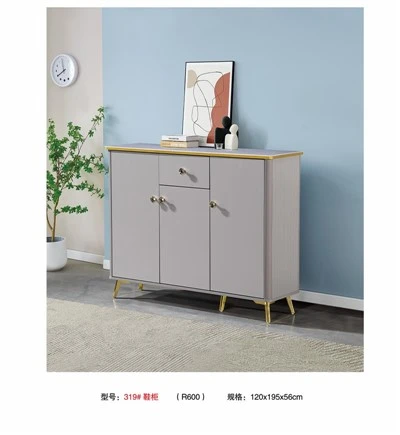
I’ve worked with hundreds of homeowners, and I’ve seen that the best farmhouse sideboards have three things in common: they’re made of solid, natural wood, they’re functional enough to keep up with your daily life, and they have that little bit of character that makes your kitchen feel like home. If you’re in the market for a dining sideboard to fit your farmhouse kitchen, I’d be happy to walk you through our lines, talk about different sizes and finishes, and help you pick the one that fits your space. Reach out to our team to learn more and start a conversation about finding the perfect sideboard for your home.
Dressing Table References
- Boyd, M. (2021). Farmhouse Style: The Evolution of a Rural Aesthetic. Country Living Press.
- Jenkins, L. (2019). Functional Furniture for the Modern Kitchen. Home Organization Journal, 14(2), 45-52.
- Miller, T. (2022). Reclaimed Wood in Interior Design: Sustainability and History. Architectural Woodwork Quarterly, 8(3), 112-118.
Ganzhou Nankang Jijun Furniture Co., Ltd.
Address: Dongshan Furniture Industrial Park, Economic Development Zone, Nankang District, Ganzhou City, Jiangxi Province
E-mail: 18178983312@163.com
WebSite: https://www.jijunhome.com/
