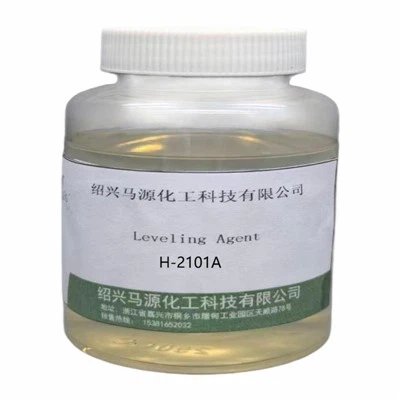
As a supplier of Pretreatment Auxiliaries, I’ve seen firsthand the impact that the quality of these products can have on various industrial processes. While cost – effective solutions can be appealing, using low – quality Pretreatment Auxiliaries comes with a multitude of potential risks that businesses need to be aware of. Pretreatment Auxiliaries
1. Inconsistent Performance
One of the most significant risks of using low – quality Pretreatment Auxiliaries is inconsistent performance. These products often lack the precise formulation and quality control that high – quality auxiliaries possess. For example, in the metal pretreatment process, a high – quality degreaser can effectively remove oil, grease, and other contaminants from the metal surface, ensuring a clean substrate for subsequent coating applications. However, a low – quality degreaser may not have the right chemical composition or concentration, resulting in incomplete degreasing.
This inconsistent performance can lead to uneven coating adhesion. When the metal surface is not properly cleaned, the coating may not bond well to the substrate, causing it to peel, blister, or flake off over time. In industries where the durability of the coating is crucial, such as automotive or aerospace, this can have serious consequences. A car with a peeling paint job not only looks unappealing but also exposes the metal to corrosion, reducing the vehicle’s lifespan and potentially compromising safety.
2. Corrosion and Rust Issues
Low – quality Pretreatment Auxiliaries may fail to provide adequate protection against corrosion and rust. In many pretreatment processes, inhibitors are added to the auxiliaries to prevent the oxidation of metals. These inhibitors work by forming a protective layer on the metal surface, which acts as a barrier between the metal and the surrounding environment.
However, low – quality inhibitors may not be as effective in forming this protective layer. They may have a lower concentration of active ingredients or may break down more quickly under normal operating conditions. As a result, the metal is more vulnerable to corrosion. For instance, in a marine environment, where metals are constantly exposed to saltwater, a low – quality pretreatment auxiliary may not be able to withstand the harsh conditions. This can lead to the rapid formation of rust, which weakens the metal structure and can cause mechanical failures.
3. Environmental and Health Risks
Another concern with low – quality Pretreatment Auxiliaries is the potential environmental and health risks they pose. Many of these products may contain harmful chemicals that are not properly regulated or controlled. For example, some low – quality degreasers may contain solvents such as trichloroethylene or perchloroethylene, which are known to be toxic and can have serious health effects on workers.
Exposure to these chemicals can cause respiratory problems, skin irritation, and even long – term health issues such as cancer. In addition, the improper disposal of these low – quality auxiliaries can have a negative impact on the environment. They may contaminate water sources, soil, and air, leading to ecological damage.
High – quality Pretreatment Auxiliaries, on the other hand, are often formulated to be more environmentally friendly and safer for workers. They are designed to meet strict environmental regulations and are less likely to contain harmful substances.
4. Compatibility Problems
Low – quality Pretreatment Auxiliaries may also have compatibility issues with other products in the pretreatment process. In a typical pretreatment line, multiple auxiliaries are used in sequence, such as degreasers, phosphating agents, and passivation solutions. These products need to be compatible with each other to ensure a smooth and effective pretreatment process.
However, low – quality auxiliaries may not be formulated to be compatible with other products. For example, a low – quality phosphating agent may react with a degreaser, causing precipitation or other chemical reactions that can disrupt the process. This can lead to reduced efficiency, increased downtime, and higher costs for the business.
5. Higher Long – Term Costs
Although low – quality Pretreatment Auxiliaries may seem like a cost – effective option in the short term, they can actually result in higher long – term costs. The inconsistent performance, corrosion issues, and compatibility problems mentioned above can all lead to additional expenses.
For example, if a coating fails due to the use of low – quality Pretreatment Auxiliaries, the business will need to re – coat the product, which involves additional materials, labor, and time. In addition, the cost of dealing with corrosion and rust damage can be significant. This may include repairs, replacement of parts, and potential loss of production.
In contrast, investing in high – quality Pretreatment Auxiliaries can lead to long – term savings. These products are more reliable, provide better protection, and are less likely to cause problems that require costly repairs or rework.
6. Impact on Product Quality and Reputation
The use of low – quality Pretreatment Auxiliaries can have a direct impact on the quality of the final product. In industries where product quality is a key differentiator, such as consumer goods or high – end manufacturing, this can be a major problem.
A product with a poor – quality coating or visible signs of corrosion is likely to be rejected by customers. This can lead to lost sales, returns, and damage to the company’s reputation. In today’s competitive market, a damaged reputation can be difficult to recover from, and it can have a long – lasting impact on the business.
7. Regulatory Compliance Issues
Many industries are subject to strict regulations regarding the use of Pretreatment Auxiliaries. These regulations are in place to protect the environment, workers, and consumers. Low – quality Pretreatment Auxiliaries may not meet these regulatory requirements, which can result in fines, legal issues, and even the suspension of business operations.
For example, in the food and beverage industry, the use of Pretreatment Auxiliaries on equipment that comes into contact with food must meet specific safety standards. If a low – quality auxiliary is used and is found to contain harmful substances, the company may face serious consequences.
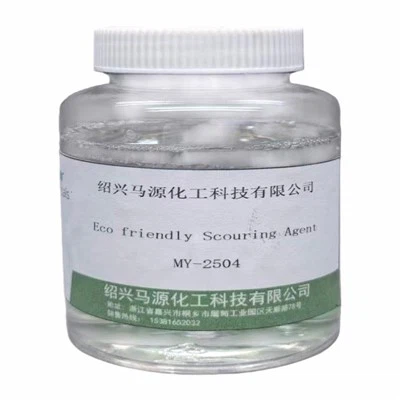
As a supplier of Pretreatment Auxiliaries, I understand the importance of providing high – quality products. We invest in research and development to ensure that our auxiliaries are formulated to meet the highest standards of performance, safety, and environmental friendliness. Our products are rigorously tested to ensure consistency and compatibility with other products in the pretreatment process.
Functional Additives If you are in the market for Pretreatment Auxiliaries, I encourage you to consider the potential risks of using low – quality products. By choosing high – quality auxiliaries, you can ensure the reliability of your pretreatment process, protect your products from corrosion, and avoid costly problems in the long run. I invite you to contact us to discuss your specific needs and how our Pretreatment Auxiliaries can help you achieve your goals.
References
- Smith, J. (2018). "The Importance of High – Quality Pretreatment in Coating Applications." Journal of Industrial Coatings, 25(3), 45 – 52.
- Johnson, A. (2019). "Environmental and Health Risks Associated with Low – Quality Pretreatment Chemicals." Environmental Science Review, 12(1), 67 – 75.
- Brown, C. (2020). "Compatibility Issues in Pretreatment Processes: A Case Study." Manufacturing Technology Journal, 30(2), 89 – 96.
Shaoxing Mayor Chemical & Technology Co., Ltd.
We are one of the most reliable pretreatment auxiliaries manufacturers and suppliers in China, specialized in providing high quality products with low price. We warmly welcome you to buy discount pretreatment auxiliaries for sale here from our factory. For pricelist, contact us now.
Address: No. 78, Tianshun Road, Tudian Industrial Park, Tongxiang City, Jiaxing City, Zhejiang Province, China
E-mail: 627249875@qq.com
WebSite: https://www.mayorchemicals.com/
