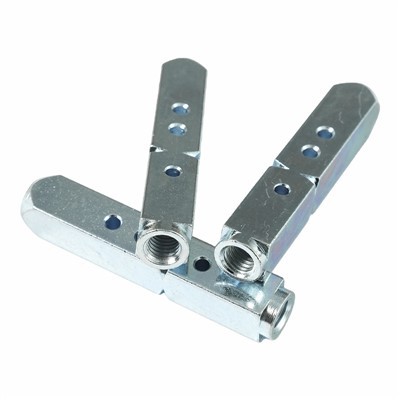
Hey there! As a supplier of CNC Threaded Components, I’ve seen firsthand how crucial it is to keep our CNC machines in tip – top shape. These machines are the heart and soul of our production process, churning out high – quality threaded components day in and day out. So, let’s dive into what it takes to maintain these bad boys. CNC Threaded Components
Lubrication and Fluid Checks
One of the most basic yet vital maintenance tasks for CNC machines used in threaded component production is lubrication. You know, just like our bodies need water to function properly, these machines need lubricants to run smoothly. The moving parts in a CNC machine, such as the ball screws, linear guides, and spindles, generate a lot of friction. Without proper lubrication, this friction can lead to excessive wear and tear, which means parts will break down faster.
We use high – quality lubricants that are specifically designed for CNC machines. And it’s not just about pouring in any old oil. Different parts of the machine may require different types of lubricants. For example, the ball screws might need a thick, viscous lubricant to ensure they can move smoothly under heavy loads, while the spindles may need a lighter oil that can cool as well as lubricate.
It’s also essential to regularly check the lubricant levels. We’ve got a schedule for this. Every week, one of our technicians goes around and checks the oil levels in all the relevant reservoirs. If the levels are low, we top them up right away. And every few months, we completely change the lubricants. This helps to get rid of any contaminants that might have built up over time.
In addition to lubricants, we also pay close attention to the coolant fluids. These fluids are used to keep the cutting tools cool during the machining process. When we’re making threaded components, the cutting tools are under a lot of stress, and the coolant helps to prevent them from overheating. Overheating can cause the tools to wear out quickly and can also affect the quality of the threaded components we produce. So, we check the coolant levels daily and make sure the coolant is clean. If it starts to get dirty or contaminated, we change it out immediately.
Cleaning and Debris Removal
CNC machines get dirty, plain and simple. And when it comes to producing threaded components, even the smallest bit of debris can cause big problems. The chips and shavings from the machining process can get stuck in the machine’s moving parts, which can lead to jams and malfunctions.
We have a strict cleaning routine. After every production run, we use compressed air to blow out all the chips and debris from the machine. This helps to get rid of the loose stuff that’s sitting on the surface. Then, we use specialized cleaning solutions to wipe down the machine’s exterior and interior parts. We pay special attention to the areas around the cutting tools and the worktable, as these are the spots where most of the debris accumulates.
For the more stubborn dirt and grime, we use a combination of brushes and solvents. We’ve found that a soft – bristled brush works well for getting into the nooks and crannies of the machine. And we always make sure to dry the machine thoroughly after cleaning to prevent rust from forming.
Tool Inspection and Replacement
The cutting tools are the business end of our CNC machines when it comes to producing threaded components. If the tools aren’t in good condition, the quality of our components will suffer big time.
We inspect our cutting tools regularly. Before each production run, we check the tools for any signs of wear, such as dull edges or chipping. If we notice any issues, we don’t hesitate to replace the tools. We’ve learned the hard way that using a worn – out tool can lead to poor – quality threads, which can cause our components to fail in the field.
We also keep a close eye on the tool life. Each type of cutting tool has a recommended number of cuts or hours of use before it needs to be replaced. We have a system in place to track the usage of each tool, so we know exactly when it’s time to swap it out. This helps us to avoid unexpected tool failures during production and ensures that we’re always producing consistent – quality threaded components.
Software and Control System Maintenance
In today’s world, the software and control systems in CNC machines are just as important as the hardware. These systems are what tell the machine how to move, how fast to cut, and what kind of threads to produce.
We make sure to keep our machine software up – to – date. The manufacturers of the CNC machines often release software updates that can improve performance, add new features, and fix bugs. We have a team that monitors these updates and installs them as soon as they’re available.
In addition to software updates, we also perform regular checks on the control systems. We look for any error messages or warning signs that might indicate a problem. If we notice anything off, we troubleshoot the issue right away. Sometimes, it could be as simple as a loose connection or a misconfigured setting, but we don’t take any chances.
We also back up our machine’s control system data regularly. This way, if something goes wrong, like a hard – drive failure or a system crash, we can easily restore the machine to its previous working state.
Electrical System Checks
The electrical system in a CNC machine is like the nervous system in our bodies. It powers all the components and makes sure everything works together harmoniously.
We have a team of electricians who conduct regular checks on the electrical system. They check for loose connections, frayed wires, and any signs of overheating. Loose connections can cause electrical arcing, which is not only a fire hazard but can also damage the machine’s components. Frayed wires can lead to short – circuits, which can shut down the machine and cause extensive damage.
We also test the electrical components, such as the motors, sensors, and relays, to make sure they’re functioning properly. If any of these components start to show signs of wear or failure, we replace them immediately.
Staff Training and Safety
Last but not least, we invest a lot in training our staff. We know that proper operation and maintenance of the CNC machines are key to the success of our business.
We provide regular training sessions for all our employees who work with the CNC machines. These sessions cover everything from basic machine operation to advanced maintenance techniques. We want our staff to be able to identify potential problems early on and know how to fix them.
We also have strict safety protocols in place. Working with CNC machines can be dangerous, so we make sure our employees wear the appropriate safety gear, such as safety glasses, gloves, and ear protection. We also have safety guards installed on the machines to prevent any accidental contact with moving parts.
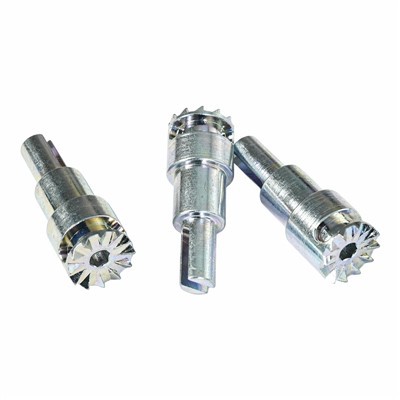
If you’re in the market for high – quality CNC Threaded Components, we’d love to talk to you. Our commitment to maintaining our CNC machines ensures that we can offer you the best products. Drop us a line and let’s discuss your needs. We’re always ready to have a chat about how we can meet your requirements and become your go – to supplier for threaded components.
CNC Turning References
- Machining Handbook: A comprehensive guide to CNC machining and maintenance.
- The Modern Machine Shop: A monthly magazine with articles on the latest in CNC technology and maintenance.
- Manufacturer’s manuals for our CNC machines.
Huizhou Quanyi Precision Hardware Products Co., Ltd.
Address: Building A10, 7th Floor, Zhongchuangyingke 5G Industrial Park, Zhonghan Industrial Park, Tonghu Town, Huizhou City
E-mail: info@qycncturning.com
WebSite: https://www.qycncturning.com/
