Hey there, folks! I’m from a Sodar supplier, and today we’re gonna chat about how the orientation of Sodar affects its measurement results. Sodar
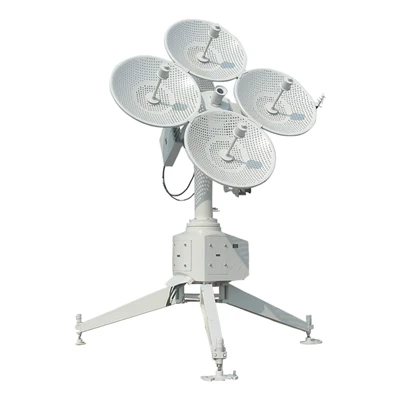
Understanding Sodar Basics
First off, let’s have a quick look at what Sodar is. Sodar, or Sound Detection and Ranging, is a pretty cool tool. It works by sending out sound waves into the atmosphere. These sound waves bounce off the air variations caused by turbulence and temperature changes, and then the Sodar receiver picks up the echoes. From analyzing these echoes, we can figure out some important things about the atmosphere, like wind speed, wind direction, and turbulence intensity.
The Impact of Orientation on Wind Measurement
Wind Direction
The orientation of a Sodar plays a huge role when it comes to measuring wind direction accurately. You see, Sodar usually has multiple beams that are pointed in different directions. If the Sodar is oriented in the wrong way, it can mess up the wind direction measurement big time.
Let’s say we’ve got a Sodar with four beams, each pointed at a different angle. When the wind is blowing, the echoes from each beam will be affected differently. If the Sodar is misaligned, the relative strength of the echoes from the different beams won’t match up with the actual wind direction. For example, if the Sodar is supposed to have one beam facing north, but it’s actually a bit off to the east, the data it gets from that beam might be more representative of the wind coming from the northeast instead of the north. This can lead to incorrect wind direction readings, and that’s not good if you’re relying on that data for things like weather forecasting or wind energy planning.
Wind Speed
Wind speed measurement can also be influenced by the Sodar’s orientation. The speed of the wind is calculated based on how fast the sound waves are reflected back to the receiver. When the Sodar beams are not properly oriented, the path that the sound waves take through the wind can be affected.
Imagine the wind is blowing from the west. If the Sodar beams are perpendicular to the wind direction, the sound waves will have a different interaction with the wind compared to when the beams are parallel to the wind. When the beams are perpendicular, the wind might cause the sound waves to spread out more, which can make it seem like the wind speed is slower than it actually is. On the other hand, if the beams are not oriented correctly and are at an odd angle to the wind, it can introduce errors in the calculation of the time it takes for the sound waves to return, leading to inaccurate wind speed measurements.
Effects on Turbulence Measurement
Turbulence is another important aspect that Sodar can measure. Turbulence affects things like air quality, aviation safety, and the performance of wind turbines. The orientation of the Sodar can have a significant impact on turbulence measurement.
Turbulence causes random fluctuations in the atmosphere, which in turn affects the way the sound waves are scattered. When the Sodar is oriented properly, it can detect these fluctuations accurately. But if it’s oriented incorrectly, the detection of these fluctuations can be skewed.
For example, if the Sodar beams are not aligned with the predominant direction of the turbulent eddies, it might miss some of the smaller eddies or over – estimate the size of others. This can lead to wrong turbulence intensity measurements. And if you’re using this data for something like determining the structural loading on a wind turbine, inaccurate turbulence data can have serious consequences.
Factors to Consider for Proper Orientation
Location
The location where you place the Sodar is crucial for determining its correct orientation. If it’s located near tall buildings, mountains, or other large obstacles, the wind flow around these objects can be distorted. In this case, you need to take into account how these obstacles will affect the wind before setting the orientation of the Sodar.
For instance, if there’s a tall building to the south of the Sodar, the wind will be turbulent in that area. You might need to orient the Sodar in a way that its beams avoid the direct influence of the building’s wake. This could mean facing the Sodar more towards the north or at an angle that minimizes the impact of the building on the measurement.
Prevailing Wind Direction
Knowing the prevailing wind direction in the area is a must. You can gather historical weather data to figure out which direction the wind usually blows from. Once you have this information, you can orient the Sodar so that its main beams are aligned with the prevailing wind. This will give you the most accurate measurements of wind speed, direction, and turbulence.
For example, in a coastal area where the wind usually blows from the ocean towards the land during the day, you’d want to orient the Sodar in such a way that its beams are pointed towards the ocean to get the best data on the onshore winds.
How We Can Help
As a Sodar supplier, we’ve got the expertise to make sure you get the most out of your Sodar. We don’t just sell the equipment; we also offer support on how to install and orient it correctly.
Our team of experts can analyze the location where you plan to set up the Sodar. We’ll take into account all the factors like nearby obstacles and the prevailing wind direction. We’ll then recommend the best orientation for your Sodar to ensure accurate measurements.

If you’ve already got a Sodar and you suspect that its orientation might be causing issues with the measurement results, we can help with that too. We can send our technicians to your site to check the orientation and make any necessary adjustments.
Meteorological Sounding System If you’re in the market for a Sodar or need help with your existing one, don’t hesitate to reach out. We’re here to make sure you get reliable and accurate atmospheric data for your needs. Whether it’s for research, weather forecasting, or wind energy projects, we’ve got the solutions. So, if you’re interested in learning more or want to discuss your requirements, just drop us a line and let’s start a conversation.
References
- Smith, J. (2018). Handbook of Atmospheric Measurement Techniques. Academic Press.
- Brown, A. (2020). Wind Energy: Principles, Technologies, and Challenges. Wiley.
- Johnson, R. (2019). Weather Forecasting Using Remote Sensing Tools. Taylor & Francis.
Tianjin Blooming Technology Ltd.
Address: Main Building, No. 10 Wuhua Road, Huayuan Industrial Zone, Binhai High-tech Zone, Tianjin, China
E-mail: sales@blooming-tech.com
WebSite: https://www.blooming-tech.net/
