Hey there! I’m a supplier of smart battery charging and swapping cabinets. You might be wondering, "What’s the big deal about these cabinets, and how do they affect the power grid?" Well, let’s dive right in and explore the impacts, both good and not – so – good. Smart Battery Charging and Swapping Cabinet

1. Positive impacts on the power grid
Peak shaving and load balancing
One of the most significant benefits of smart battery charging and swapping cabinets is their ability to help with peak shaving. You know how during certain times of the day, like in the evening when everyone gets home and turns on their lights, TVs, and other appliances, the demand for electricity spikes? That’s called peak demand.
Our smart cabinets can be programmed to charge the batteries during off – peak hours when the electricity demand is low. Then, during peak hours, they can discharge the stored energy back into the grid. This helps to balance the load on the power grid. For example, if a local area experiences a sudden surge in electricity demand during a hot summer afternoon when air conditioners are running full blast, our cabinets can release the stored energy to meet that demand, reducing the strain on the grid.
Integration of renewable energy
Renewable energy sources like solar and wind are great, but they’re intermittent. The sun doesn’t always shine, and the wind doesn’t always blow. Smart battery charging and swapping cabinets can store the excess energy generated from these renewable sources.
Let’s say a solar farm produces more electricity during the day than is currently being used. Our cabinets can store this extra energy. Then, when the sun goes down and the solar power generation stops, the stored energy can be fed back into the grid. This way, we can make better use of renewable energy and reduce our reliance on fossil fuels.
Improving grid stability
By acting as energy buffers, our smart cabinets can improve the overall stability of the power grid. When there are sudden changes in electricity demand or supply, the cabinets can quickly respond. For instance, in case of a power plant outage, the stored energy in the cabinets can be used to provide temporary power until the issue is resolved. This reduces the risk of blackouts and brownouts, making the power grid more reliable.
2. Negative impacts on the power grid
High initial power demand
When multiple smart battery charging and swapping cabinets are installed, especially in a concentrated area, they can cause a high initial power demand. This is because when the cabinets start to charge the batteries simultaneously, they draw a large amount of electricity from the grid.
For example, if a commercial area has several charging stations for electric scooters or bikes, and all the cabinets start charging at the same time, it can put a strain on the local power grid. This might lead to voltage drops or even overload the grid if the infrastructure is not properly upgraded.
Battery degradation and waste
Over time, the batteries in the charging and swapping cabinets will degrade. As the batteries lose their capacity to hold a charge, they need to be replaced. This creates a problem of battery waste. If not properly managed, these used batteries can pose environmental risks.
Moreover, the process of manufacturing new batteries also consumes a significant amount of energy. This energy consumption can have an indirect impact on the power grid, as more electricity is needed to produce these batteries.
Complexity in grid management
The integration of smart battery charging and swapping cabinets adds a new layer of complexity to grid management. Grid operators need to monitor and control the charging and discharging of these cabinets to ensure they are working in harmony with the rest of the grid.
For example, they need to coordinate the charging schedules of the cabinets to avoid overloading the grid during peak hours. This requires advanced monitoring and control systems, which can be expensive and difficult to implement.
3. Mitigating the negative impacts
Smart charging algorithms
To address the issue of high initial power demand, we’ve developed smart charging algorithms. These algorithms can adjust the charging speed of the batteries based on the grid’s current load. For example, if the grid is under high stress, the cabinets can slow down the charging process to reduce the power demand.
Battery recycling programs
To deal with the problem of battery waste, we’re actively involved in battery recycling programs. By recycling the used batteries, we can reduce the environmental impact and also recover valuable materials that can be used to manufacture new batteries. This not only helps the environment but also reduces the energy consumption associated with battery production.
Collaboration with grid operators
We work closely with grid operators to ensure that our smart battery charging and swapping cabinets are integrated smoothly into the power grid. We share data on the charging and discharging patterns of the cabinets, which helps the grid operators to better manage the grid. This collaboration also allows us to develop strategies to optimize the use of the cabinets and minimize their negative impacts.
4. Conclusion
In conclusion, smart battery charging and swapping cabinets have both positive and negative impacts on the power grid. On the positive side, they can help with peak shaving, integrate renewable energy, and improve grid stability. However, they also pose challenges such as high initial power demand, battery degradation, and complexity in grid management.
But don’t worry! We’re constantly working on solutions to mitigate these negative impacts. With our smart charging algorithms, battery recycling programs, and collaboration with grid operators, we’re confident that we can make the most of the benefits of these cabinets while minimizing their drawbacks.
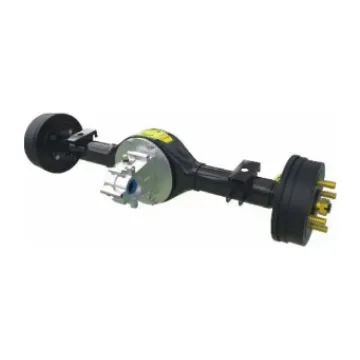
Chassis System If you’re interested in learning more about our smart battery charging and swapping cabinets or if you’re considering purchasing them for your business or community, feel free to reach out. We’d be more than happy to have a chat and discuss how our products can meet your needs. Let’s work together to build a more sustainable and efficient power grid!
References
- "Grid – scale Energy Storage Technologies: A Review", Journal of Energy Storage
- "Renewable Energy Integration and Energy Storage", International Renewable Energy Agency (IRENA)
- "Smart Grid Technologies for Load Balancing", IEEE Transactions on Smart Grid
Jiangsu Changyun Drive Techniques Co., Ltd.
As one of the leading smart battery charging and swapping cabinet manufacturers and suppliers in China, we offer a wide range of products with superior quality. Please rest assured to wholesale advanced smart battery charging and swapping cabinet from our factory. If you have any enquiry about cooperation, please feel free to email us.
Address: Building B, 1st Floor, Chuangyan Port, Science and Education City, Wujin District, Changzhou City, Jiangsu Province
E-mail: eva@czbenma.com
WebSite: https://www.cyevenergy.com/
